




What causes sudden moodiness, crying spells, clinging to mother, night waking and behavioural changes in 2 year olds? 18-36 months silent regression symptoms and solutions.
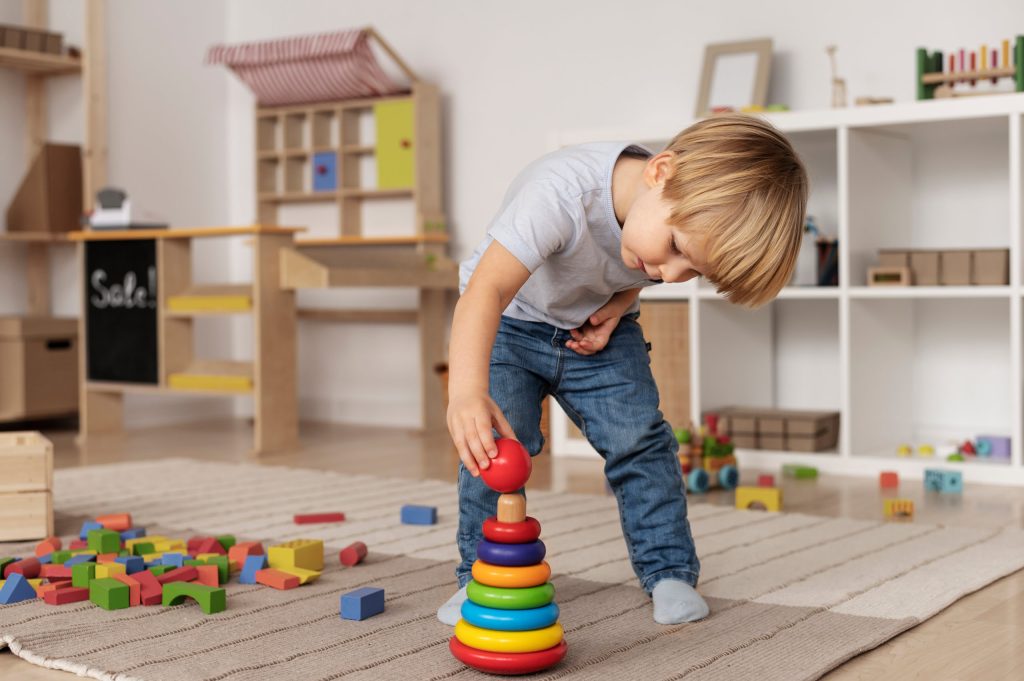
What is Silent Regression in a 2 Year Old Child?
At the age of 2, many mothers say the same sentence:
“Yesterday he was so calm, today he's like a completely different person...”
These unexpected changes are often not a problem;
is a new skill created by the rapidly developing new skills in the child's brain. silent regression period.
Silent regression, seen between 18-36 months:
- sudden changes in behaviour,
- crying for no reason,
- don't stick to mum,
- sleep disturbance,
- return behaviour (baby talk, asking for a pacifier),
- intense emotional fluctuations
such as the following transient but strong symptoms.
Understanding this period is both calming and guiding for mothers.
What Causes Sudden Behavioural Changes in 2-Year-Old Children?
A clear answer to the most asked question by mums on Google:
1. Brain Development Explosion
The baby's brain is fully developed between 18-36 months under construction.
Language, motor skills, social awareness and emotional management develop at the same time.
2. Dissociation-individuation process
This is the period when the child says “I exist!”.
But emotionally he is still very much attached to the mother → he experiences conflict.
3. Overflow of emotions
A 2-year-old can't put into words what he feels.
Therefore it expresses itself through behaviour:
Crying, pushing, kissing, running away and hugging again.
4. Change in routines
Moving, holidays, guests, mother's mood...
It makes a big difference in the toddler world.

5. Silent regression (period of unnoticed development)
The developmental leap just prior to the developmental leap silent is a period of stagnation.
10 Most Obvious Signs of Silent Regression at 2 Years of Age
This section is highly searched on Google - it will get you up fast.
1. Sudden onset of moodiness
The child who smiled yesterday may be crying all the time today.
This is completely normal.
2. Return of the period of excessive attachment to the mother
He won't even let you go to the loo alone.
This is an intensification of the search for trust.
3. Return behaviour
- Baby talk
- Asking for a pacifier or bottle
- Don't want to be cuddled
- Decline in toilet training
These are signs of developmental stagnation.
4. Increased outbursts of anger
Suddenly shouting, throwing, hitting, throwing yourself down...
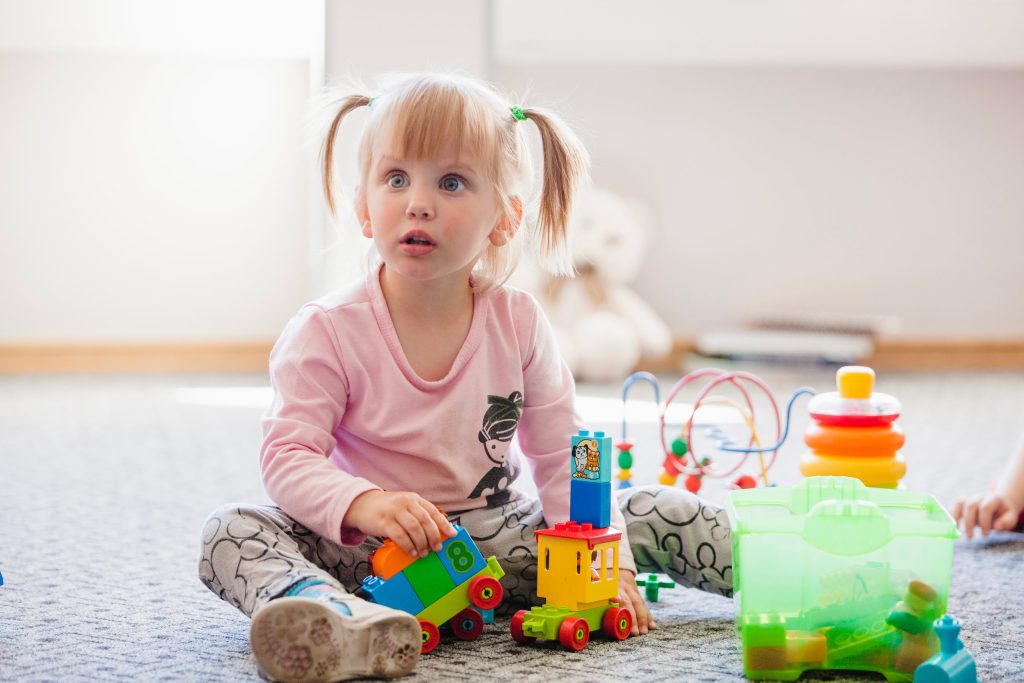
5. Excessive kissing and hugging → then abrupt withdrawal
It looks like a cycle of love and escape.
It's about emotion management.
6. Sleep disturbances
- Frequent night waking
- Nightmare-like crying
- Don't come to your mum
- Difficulty falling asleep
7. Food refusal
Decreased appetite is very common during this period.
8. Shouting, scratching, hitting
Since he cannot control his emotions, he discharges them through behaviour.
9. Change in games
- Long time stuck on a single game
- Never want to play
10. Introversion
A period of extreme shyness may begin.
How long do these symptoms last?
Silent regression usually:
2-6 weeks
between.
It may be shorter in some children and slightly longer in some children.
But they all have one thing in common:
This period will surely pass.
What should the mother do during this period? (Scientific + Practical Guide)
1. Name the child's emotion
“You're upset, I realise.”
“You look sad right now, I'm here.”
This calms the emotional centre of the brain.
2. Keep routines stable
2-year-olds do not like uncertainty.
3. Use short and clear sentences
“Now it's time to eat.”
“Now we prepare for sleep.”
4. Physical contact is very effective
Hugging, stroking hair, cuddling → the cure for regression.

5. Power struggle
of the toddler period is communication, is boundary.
6. Don't try to speed it up
Development has its own rhythm.
7. Self-blame
This period is not the mother's fault.
It is a purely neurological process.
What Happens When Silent Regression Ends? (Most mother-baby blogs don't!)
When this period is over, the child suddenly:
- To speak better
- I'm trying to be more compliant
- To sleep more comfortably
- To communicate more
- Begin to acquire new vocabulary and skills
I mean:
“What appears to be going backwards is actually the preparation for a leap forward.”
Silent Regression Games that can be Practised at Home
- Colour matching
- Sensory box
- Tower building
- Dough squeezing
- Water pouring games
- Mystery bag
- Story cards
These activities balance emotional and cognitive development.
The Montessori approach makes it very easy to understand this period.
I recommend you to take a look at this article in which I explain the basics of Montessori:
Montessori Education for Babies
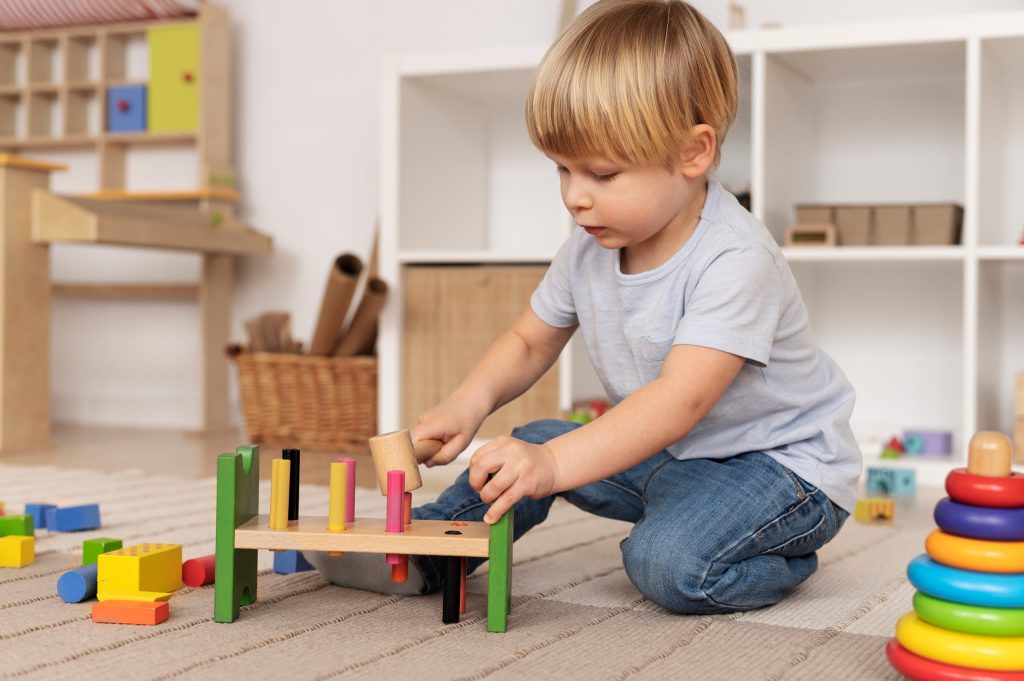
Conclusion: “This too shall pass, indeed it shall pass.”
Silent regression; It is one of the most natural parts of growth, which seems difficult from the outside, but where great doors are opened in the inner world of the child.
The mother's calmness, contact and love are the most powerful healers of this period.
Remember:
Great developments come after quiet lulls.