



Sensory play is a great way for children to understand and explore the world. From finger painting to kinetic sand, water play to scented dough, sensory activities are both fun and developmental. But do you know that sensory play is not just a means of entertainment? Here are some striking details about how children benefit from sensory play!
1. Contribution to Mental Development
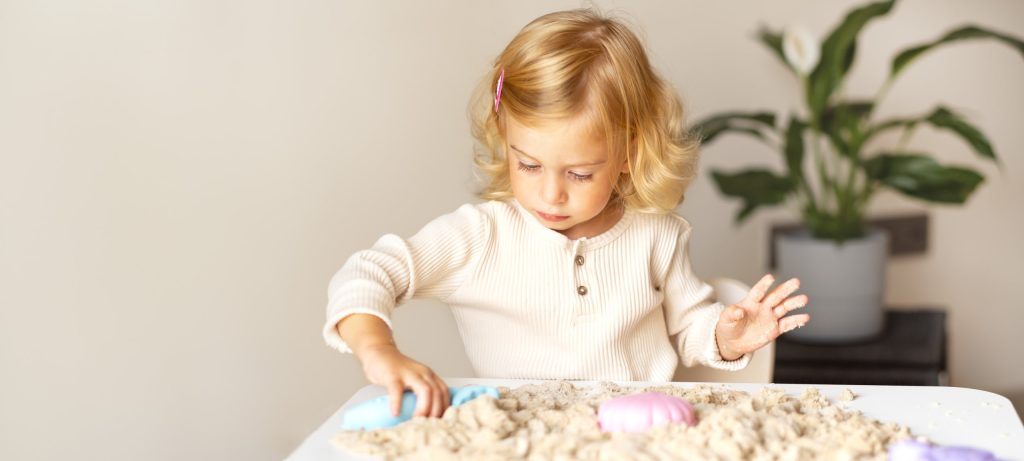
Sensory play supports children's brain development. For example, a child playing in a rice pond develops attention and focus skills while exploring the sense of touch. Experiencing textural differences activates the sensory processing centre of the brain. "The sand is so soft! But those little stones are a bit hard," they say and make their own conclusions.
2. Balancing Sensory Systems
Some children may have sensory sensitivities. It is possible for a child who is disturbed by sounds or reacts to certain textures to soften these sensitivities through sensory play. Imagine the journey of a child who says "it felt sticky at first, but now it's fun to play!" while playing with kinetic sand.
3. Development of Motor Skills
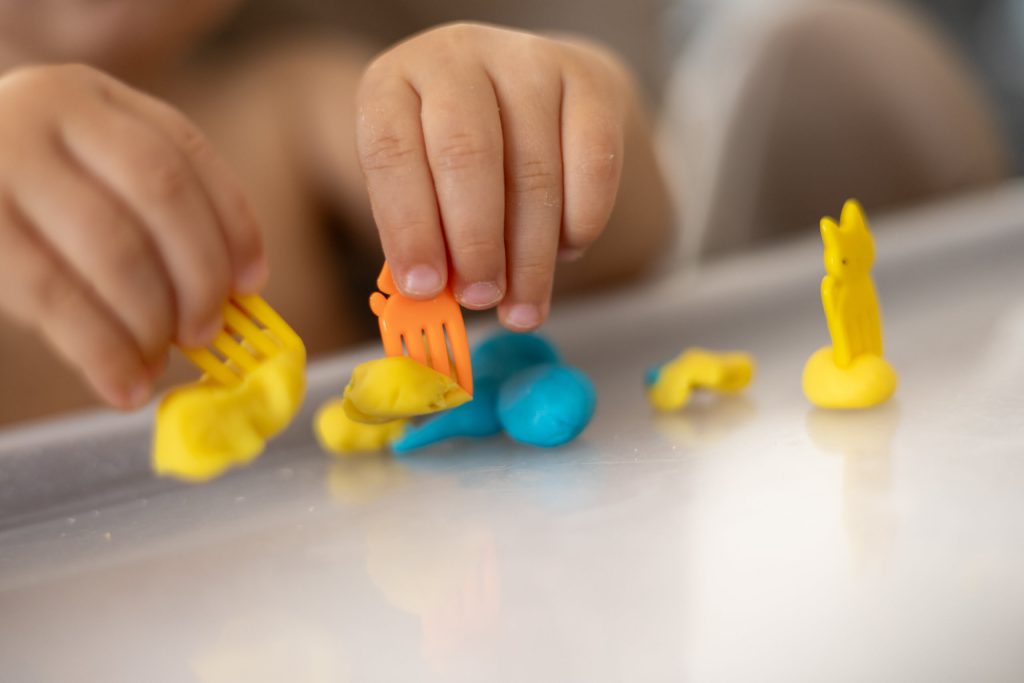
Using their hands when playing with foam, kneading play dough or collecting beads from a tin of beans develop fine motor skills. These foundations are crucial for skills later in life, such as tying their shoes or drawing a picture.
4. Support for Language Development
Sensory play can also accelerate children's language development. A child playing on a water table can ask questions such as "Does it sink? Is it floating?" can ask questions and find answers. In this process, he learns new words based on his senses.
5. Reducing Stress and Anxiety
Let's face it, even adults like to play with soothing textures from time to time to relieve stress. It's no different for children. Water games or playing with cotton balls have a calming effect. When your child gets angry, try saying, "Let's play with some sand," and you'll see the difference.
How to Make Sensory Games at Home?
Creating sensory play areas at home is actually very easy. A box of rice, some colourful beads or kneadable dough can work wonders. Creating your own recipe can be just as fun: Drop some lavender oil into the sugar paste and enjoy the result together.
Last Word
Sensory games allow not only children but also parents to see the world from a different perspective once again. These games you play together support your child's development and allow you to enjoy the moment. Remember, the best learning experience is the fun one!
Frequently Asked Questions
1. What are sensory games for?
Sensory play allows children to engage in sensory exploration and supports their intellectual, motor and social development. It can also help to reduce sensory sensitivities.
2. What are sensory activities for?
Sensory activities enable children to understand the world around them. These activities increase focus, help with stress management and make the learning process fun.
3. What are sensory motor games?
Sensory motor games allow children to make sensory discoveries and develop motor skills. For example, playing with kinetic sand, water table games and tactile pools are examples of such games.
4. What is a sensory skill?
A sensory skill is a child's ability to understand and process information in the environment using their senses. These skills form the basis for learning and development.
5. What is sensory motor development?
Sensory motor development refers to a child's ability to combine sensory information with physical movements. This includes the development of both fine motor and gross motor skills.
6. What are sensory activities?
Sensory activities include activities that stimulate more than one of the senses, such as finger painting, kinetic sand, water play, scented play dough.