



Hello, dear parents! Do you want your baby first solid food experienceis an exciting milestone for both you and your baby. We would like to share with you some tricks to make this process healthy and enjoyable. Here are the things you should pay attention to during your baby's transition to solid food!
When to start solid food?
Your baby transition to solid food is usually around the 6th month. However, every baby is different and some babies may be ready a little earlier or later. Here are some signs that your baby is ready for solid food:
- He can hold his head upright and sit with support.
- He's making chewing movements.
- It shows interest in food and reaches for your meals.
- Reaching an adequate weight (usually twice the birth weight).
By discussing this with your baby's doctor, you can determine the best time.
How to choose the first solid foods?
Your baby first solid foods When choosing foods, non-allergenic and easily digestible foods should be preferred. Here are some suggestions:
- Vegetable Purees You can start with vegetables such as carrots, courgettes and sweet potatoes. You can steam these vegetables and puree them.
- Fruit Purees Fruits such as apples, pears and bananas are suitable for introducing your baby to sweet flavours. You can soften the fruits and puree them.
- Cereals Cereals such as rice flour or oatmeal are rich in iron and help to meet your baby's nutritional needs.
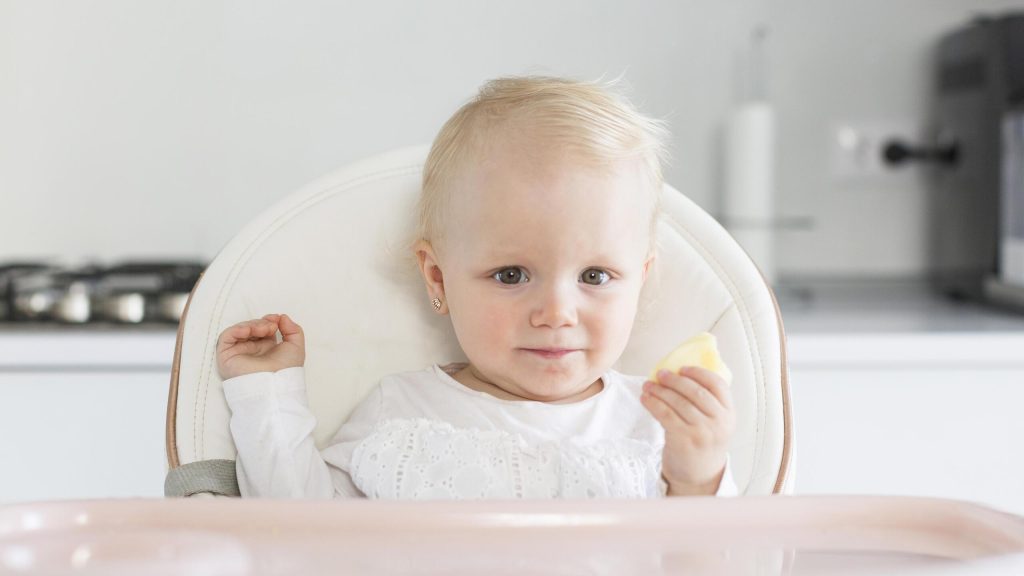
Things to Consider in Transition to Solid Food
- Start Slow and Gradual: Introduce new foods to your baby slowly and one by one. After trying each new food for at least 3-5 days, add a new food. This helps you to detect possible allergic reactions.
- Start with Small Portions: For the first time, give your baby only 1-2 teaspoons of puree. Babies need time to get used to new flavours.
- Be Patient and Calm: Your baby may not get used to new flavours immediately and may sometimes refuse. Be patient and do not pressurise. Try the same food again after a few days.
- Follow Your Baby's Signals: Your baby may show signs that he/she is full or does not want to eat. Pay attention to signs such as turning his/her head or closing his/her mouth and do not force him/her.
- Ensure Diversity: Introduce your baby to a variety of flavours by trying different vegetables, fruit and cereals. This will help them to accept a wider range of foods in the future.
- Ensure Safety: Always be with your baby when feeding him/her and never leave him/her alone. Give food cut into small pieces and be aware of the risk of choking.
Conclusion
Dear mums and dads, your baby first solid food experienceis an important step for your baby to develop healthy eating habits. By managing this process with patience and compassion, you can help your baby discover new flavours. Remember, every baby is different and progresses at its own pace. Therefore, it is best to act according to your baby's needs and reactions.
We wish you success in the transition to solid food and hope that you and your baby will have pleasant and healthy food memories!

