



Children's energy can seem limitless, and sometimes parents may find it difficult to manage this energy. However, with the right strategies ways to de-energise children can be directed to positive and constructive activities. At work ways to de-energise children some recommendations and strategies that can be implemented:
1. Ways to de-energise children: Encourage Physical Activities
Games and Sports Activities: Children need physical activity to burn off energy. Playing in the park, cycling, swimming, participating in team sports such as football or basketball help children to burn off energy in a healthy way.
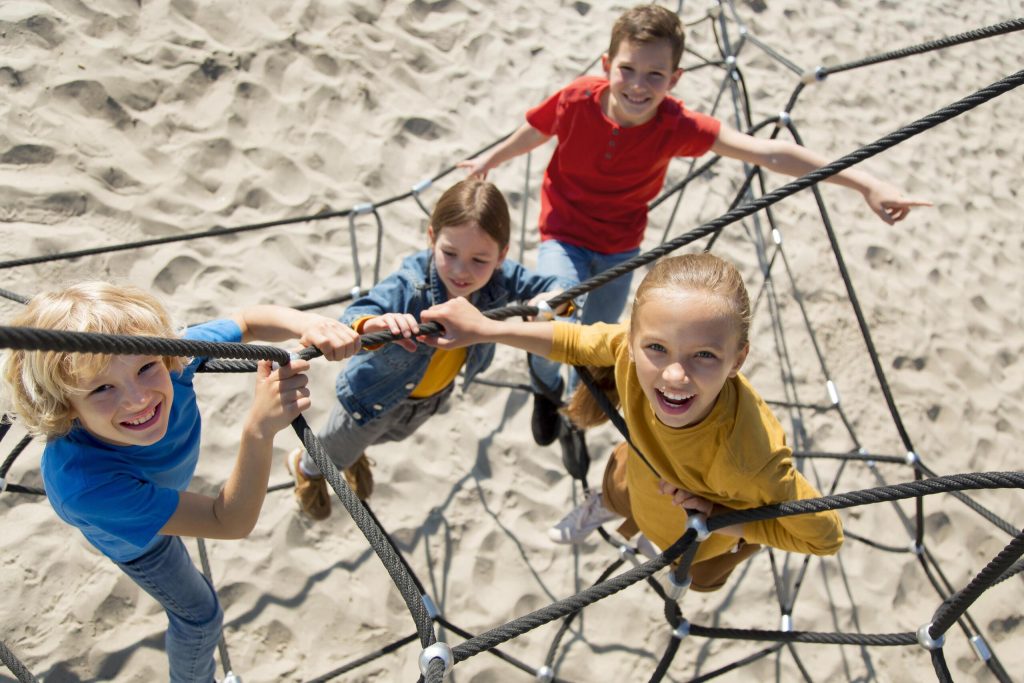
Active Games at Home: When the weather conditions are unsuitable for outdoor play, you can find active games that can be played at home. For example, dance parties, obstacle courses or pillow fights allow children to release their energy.
2. Ways to de-energise children: Constructive and Educational Activities
Arts and Crafts: Artistic activities such as drawing, painting, sculpting or craft projects can be encouraged to develop children's creativity and fine motor skills.
Science Experiments: Simple science experiments feed children's sense of curiosity and channel their energy into learning. For example, simple chemistry experiments or nature observations at home can be fun for children.
3. Ways to de-energise children: Routine and Structured Activities
Daily Routines: Children feel more secure and comfortable when they stick to a certain routine. Regular mealtimes, sleeping patterns and play times help children to keep their energy under control.
Planned Activities: By creating weekly or monthly activity calendars, you can help children plan their energy for specific activities. This not only gets them excited about the anticipated activities, but also helps them use their energy more efficiently.
4. Ways to de-energise children: Social Interaction and Group Activities
Social Activities: It is important for children to interact with their peers to channel their energy in a positive way. Playgroups, birthday parties or get-togethers with classmates help them to release their energy while developing their social skills.
Volunteering and Charity: By participating in age-appropriate volunteering activities, you can develop children's sense of empathy and help them use their energy to help others. For example, environmental cleaning activities or visits to animal shelters can be counted among such activities.
5. Ways to de-energise children: Emotional Support and Communication
Open Communication: Talking to children about their feelings helps them to better understand and manage their energy. Emotional support enables children to use their energy in a positive way.
Positive Reinforcement: Reinforcing children's positive behaviour with praise and rewards motivates them to direct their energy in the right direction.
Conclusion
Ways to de-energise children Positive guidance improves the quality of life for both children and their families. Physical activities, structured routines, constructive and educational activities, social interactions and emotional support can help children to use their energy in a healthy and positive way. These strategies support children's development and channel their energy in a productive and happy way.