



Hygiene education in children is one of the cornerstones of maintaining a healthy life. Cleanliness habits acquired at an early age help children maintain their physical health and improve their social relationships. In this article, you will find tips on how hygiene education should be given to children.
Importance of Hygiene Education
Hygiene education strengthens children's immune system and provides protection against diseases. At the same time, children who have acquired cleanliness habits feel more comfortable and self-confident in social environments.
Steps of Hygiene Training
Hand Washing Habits
Hand washing is the first step in hygiene education in children. Children should be taught to wash their hands before and after meals and after using the toilet. Hand washing time should be at least 20 seconds and water and soap should be used.
Tooth Brushing
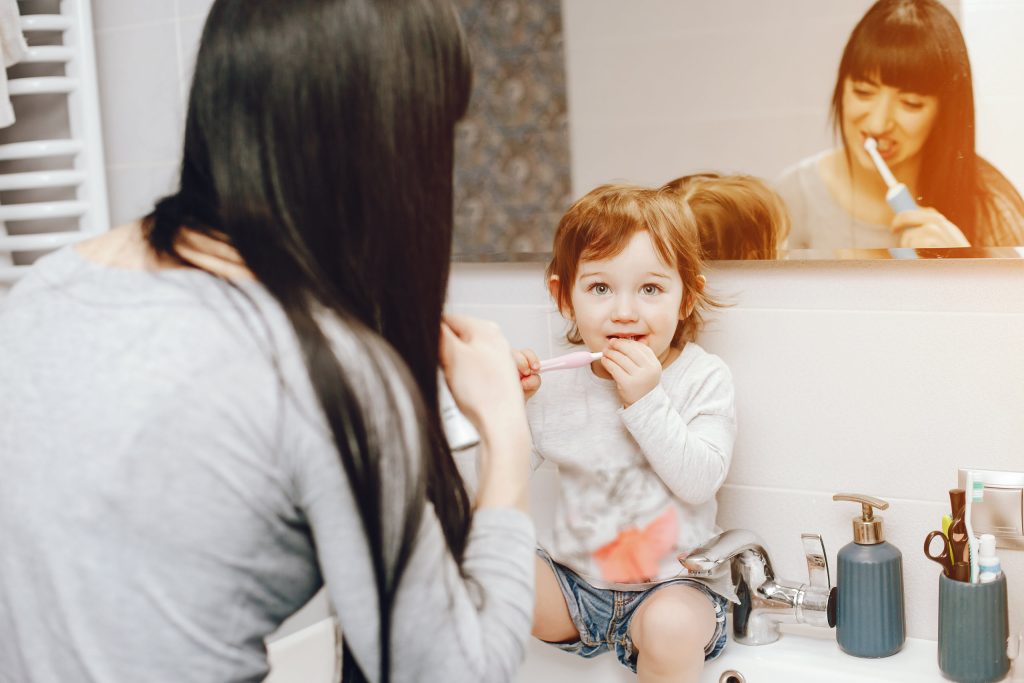
Children should brush their teeth at least twice a day for dental health. This habit can be encouraged by using fun toothbrushes and flavoured toothpastes.
Bathroom and Personal Hygiene
Children should acquire the habit of bathing regularly. It is important to bathe and wash hair at least twice a week. Nail cutting is also an important step in personal hygiene.
Toilet Training
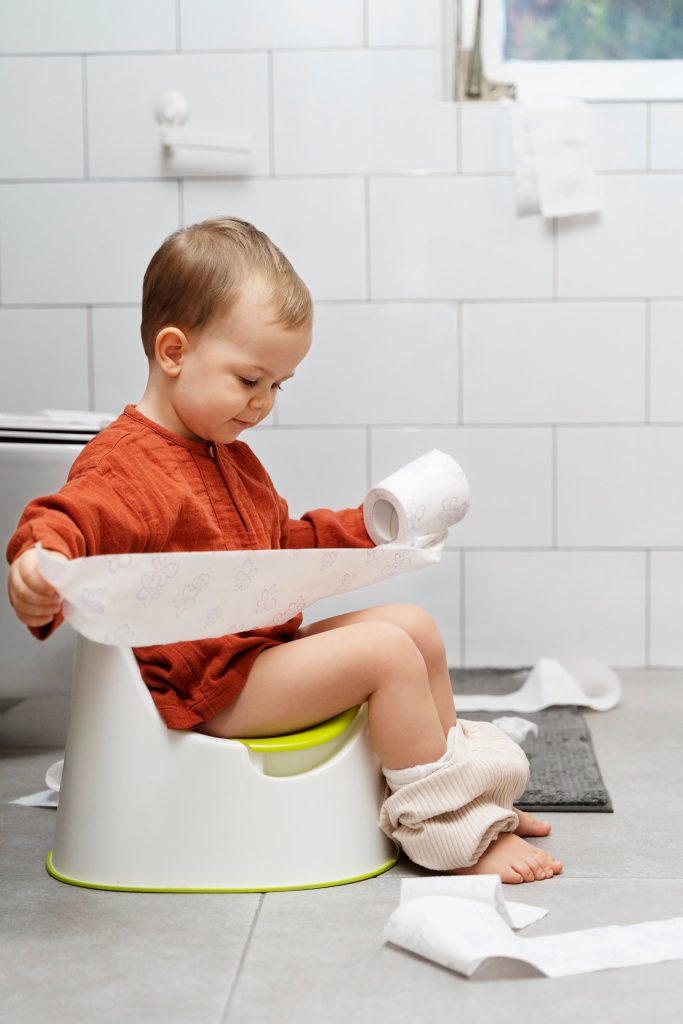
Children should be taught how to clean up after using the toilet and should be reminded frequently to wash their hands.
Use of Cleaning Materials
Children should be taught the correct use of cleaning products such as soap, shampoo and toothpaste. They should also be taught how to store these products without harming their health.
Tips for Hygiene Training
Be a Role Model
Parents' observance of hygiene rules helps children to adopt these habits.
Make it Fun
Make hygiene education fun with games and stories. This is an effective way to engage children and make it easier for them to learn.
Regular Reminders
Regularly reminding children about hygiene rules reinforces their habits.
Reward
Motivate children who follow hygiene rules with small rewards. This provides positive reinforcement.
Conclusion
Hygiene education in children is the basis of a healthy and happy life. Cleaning habits acquired at an early age ensure that children grow up as healthy individuals in the future. The fact that parents are conscious and patient in this regard plays a key role in the success of hygiene education. Give the necessary importance to hygiene education to ensure that children grow up as happy individuals.