



Buckwheat for babies is characterised by its nutritional value. Unlike traditional cereals, buckwheat is actually a fruit seed, which gives it a special nutritional profile. Its high fibre content supports digestion and helps to maintain the intestinal health of babies. In addition, the biological value of buckwheat proteins is quite high, making it an ideal food source for growing babies. Families who consume buckwheat regularly take an important step in the nutrition of their children. Buckwheat, which is also rich in minerals and antioxidants, is a safe option for babies. Since it does not contain gluten, celiac patients can also consume it easily.
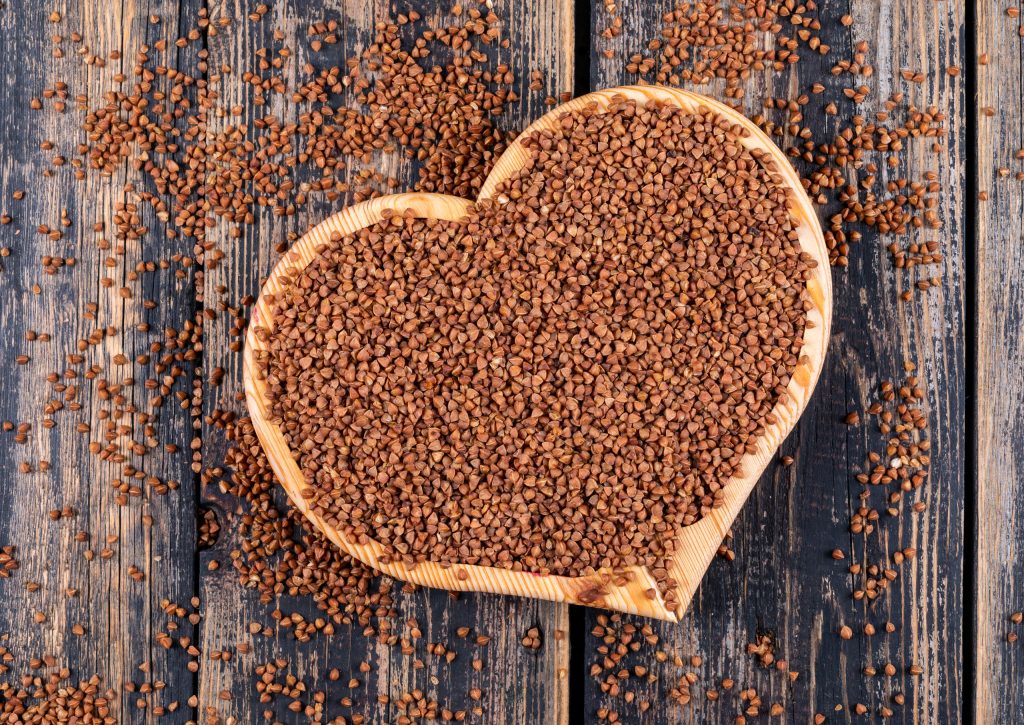
High Fibre Content and Digestion
This food with high fibre content is a friend of the digestive system. Regular consumption of this food by babies can support bowel movements and prevent problems such as constipation. Due to its fibre content, it provides a feeling of satiety and helps to keep blood sugar balanced. Thanks to its low glycaemic index, it is a food that those at risk of diabetes can consume with peace of mind.
Buckwheat should be consumed because the fibre in its content is very beneficial for intestinal health. These advantages of fibre strengthen the digestive system of babies. By replacing wheat, it also offers a safe alternative for babies with gluten sensitivity.
Cooking methods are important to increase digestive supportive properties: Boiling or soaking in water the night before can facilitate digestion. It has an important place in the eating habits of babies.
Valuable Proteins and Growth
Competing with the protein quality of breast milk and eggs, these vegetable proteins play an important role in the growth process. These proteins, which are the basis of nutrition especially for infants, provide the necessary amino acids for the body. These proteins, which are generally preferred in vegetarian diets, are equivalent to most animal proteins. At this point, among the benefits of buckwheat for babies, its digestive facilitating effect is also remarkable. It keeps full due to its fibre content and supports intestinal health.
For healthy growth of babies, these valuable proteins should be included in their diet. With its rich mineral content, it positively affects not only growth but also general health. Rich in minerals such as manganese, iron and zinc, this food can meet the daily needs of children. Thus, it offers all the support babies need during the growth process.
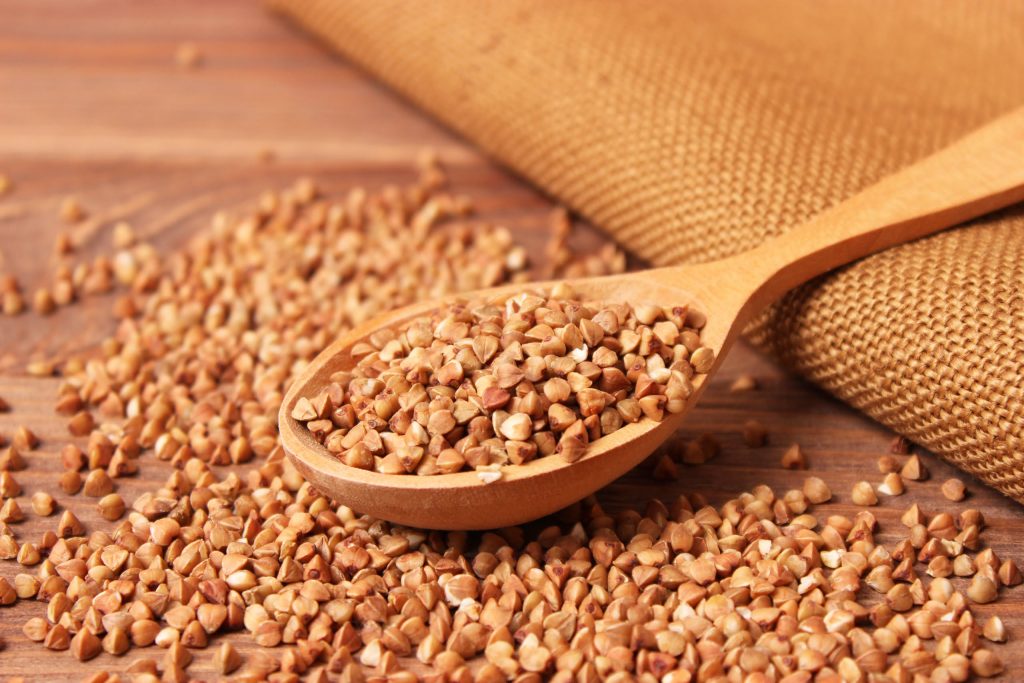
Why Buckwheat is Important for Babies?
Nutrition is extremely important for the healthy development of babies. There is a food that comes into play here: Buckwheat. Although it is known as a cereal group, it is actually a fruit seed. Thanks to its fibre and protein content, it is an ideal food source for babies. In particular, proteins with high biological value contribute to the growth of your baby. Moreover, since it does not contain gluten, it is safe for babies with celiac disease or gluten intolerance. The structure of buckwheat that facilitates digestion supports intestinal health. The fact that it is rich in minerals such as iron, manganese, magnesium, zinc and selenium makes it even more valuable. You can offer it to your babies in the form of porridge or pilaf for breakfast.
Highlights
- Buckwheat is actually a fruit kernel and is an ideal food for babies.
- High fibre content facilitates digestion and supports intestinal health.
- High biological value proteins contribute to growth and development.
- It is rich in minerals such as manganese, magnesium and iron.
- It is safe for celiac patients because it does not contain gluten.
- It can be safely given to babies from 8-9 months, it does not contain gluten.
Advantages of Regular Buckwheat Consumption
If we talk about the advantages of consuming buckwheat regularly, the benefits of this food are quite remarkable. It stands out especially by supporting heart health and lowering cholesterol. With its antioxidant content, it protects your body against free radicals.
Buckwheat offers protection against colon cancer thanks to its strong quercetin content. It also provides a healthier lifestyle by reducing the risk of hypertension. For babies, the use of buckwheat is very useful. It is considered as both a nutritious and safe option.
This food, which relieves the digestive system of babies, also draws attention with being rich in iron. With these features, it allows mothers to make more room for buckwheat in their preferences. Buckwheat offers many advantages in terms of health and nutrition.
Use of Buckwheat in Baby Nutrition
The use of buckwheat in nutrition for babies is important due to the many benefits it provides. Being rich in fibre supports intestinal health by facilitating digestion. In particular, the fact that it does not contain gluten provides a safe option for babies with celiac disease or gluten intolerance.
The protein content of buckwheat contributes to the growth and development of infants. This vegetable protein source has a biological value close to breast milk and eggs. Another advantage for babies is that it is rich in iron. It offers an ideal food alternative for babies at risk of anaemia.
Cooking buckwheat is quite simple: It can be cooked in a pressure cooker or soaked in water overnight. These methods help to reduce digestive problems. As a result, buckwheat has an indispensable place in the baby's diet.
Frequently Asked Questions
Why is buckwheat an important food source for babies?
Buckwheat is actually a fruit kernel and is high in fibre and protein. While fibre supports digestion, proteins contribute to growth. It also contains important minerals such as manganese, magnesium, iron, zinc and selenium.
What are the effects of buckwheat on the digestive system?
The fibre content of buckwheat facilitates digestion and supports intestinal health. Regular consumption can help the healthy functioning of the large intestine. Low glycaemic index and high fibre content can reduce the risk of diabetes and obesity.
How to prepare buckwheat for babies and when to give it?
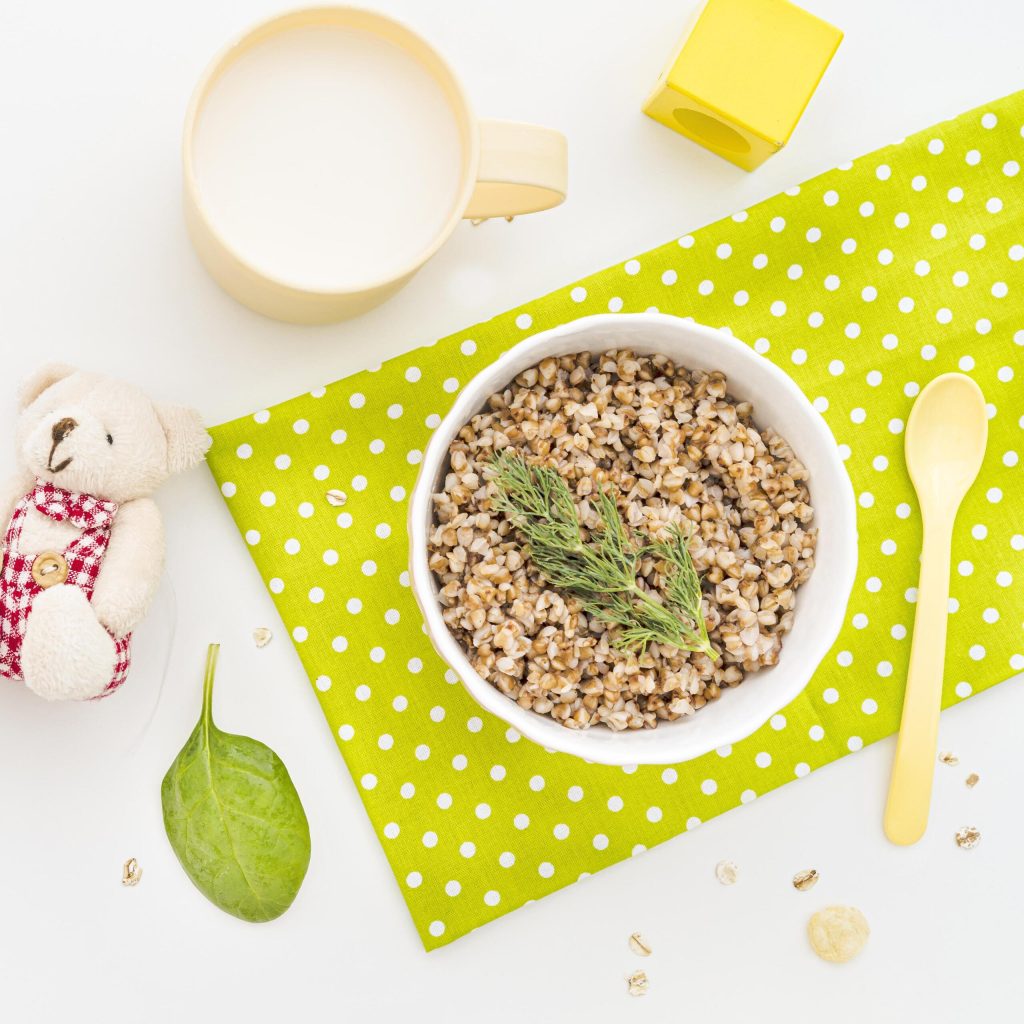
Buckwheat can be offered to babies in the form of porridge for breakfast from 8-9 months. As the baby grows older, it can also be consumed as pilaf. Cooking in a pressure cooker or soaking in water the night before cooking can reduce digestive problems.
Why is the protein content of buckwheat important?
Buckwheat proteins have high biological value, like breast milk and eggs. Therefore, it is an ideal source of vegetable protein for vegetarians, children and nursing mothers. It offers important support for growth and development.
What are the other health benefits of buckwheat?
Regular buckwheat consumption can help lower high cholesterol and prevent cardiovascular disorders such as hypertension.