

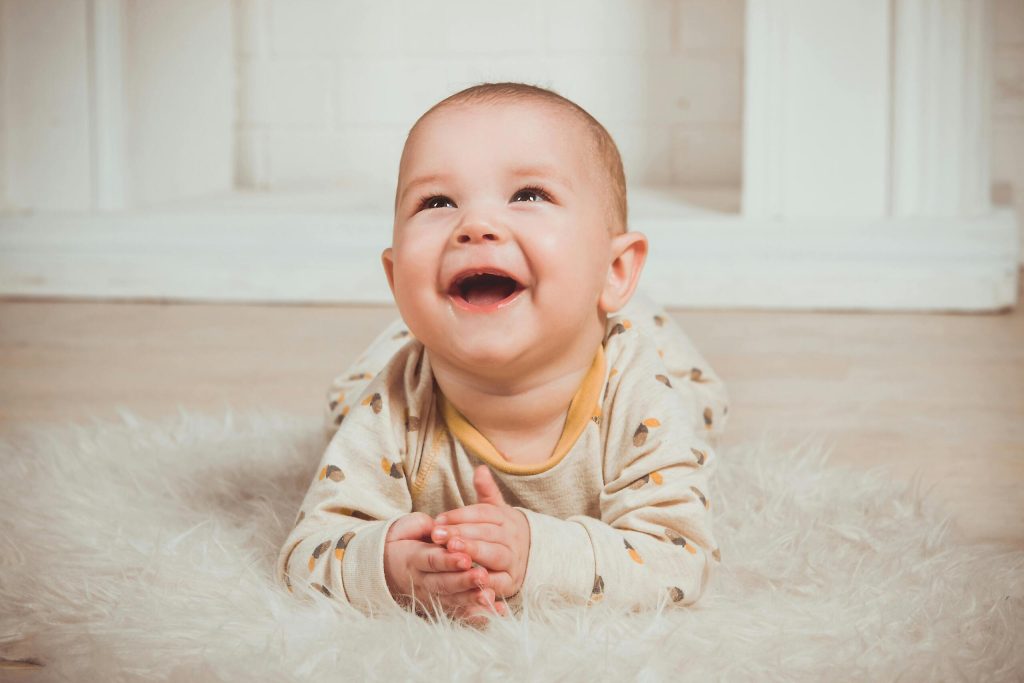
Laughter and language development in infants is much stronger than one might think. Laughter is not only an expression of happiness, but also a silent supporter of speech skills. According to research, when babies laugh breath control, voice production and mouth muscles actively uses it. This means that the basic skills necessary for speaking are practised without realising it.
Laughter and Language Development from a Scientific Perspective
During laughter, the brain makes strong connections between emotional centres (amygdala) and language and motor control areas (Broca's area, motor cortex). These connections
- Facilitates clearer pronunciation of words
- Supports sentence building skills
- Provides a solid foundation for social communication
Contributions of Laughter to Language Development
- Strengthens the muscles of the mouth - Lip, tongue and cheek muscles work actively.
- Improves breath control - The diaphragm coordination necessary for speech develops.
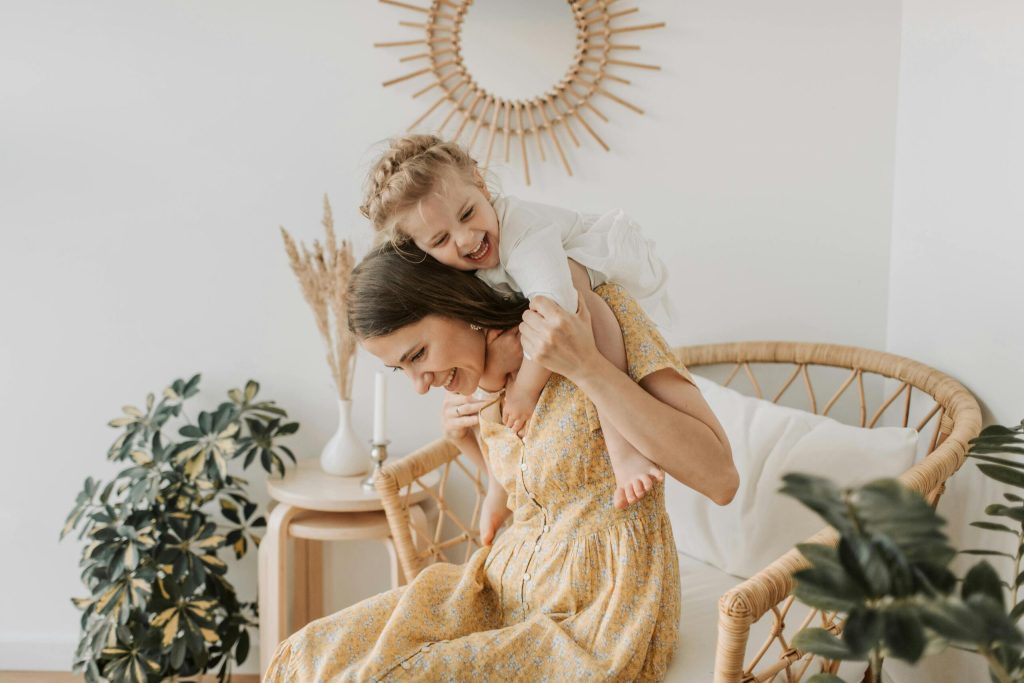
- Strengthens social communication - Teaches the skills of mutual laughter, taking turns (waiting for a turn to speak).
Concrete Suggestions for Parents
- Use exaggerated facial expressions and different voice tones to make your baby laugh during play.
- Add new words in moments of laughter: "Whoops!", "Ceee!", "Look, the ball's here!"
- Support the habit of vocalisation by making short conversations after laughter.
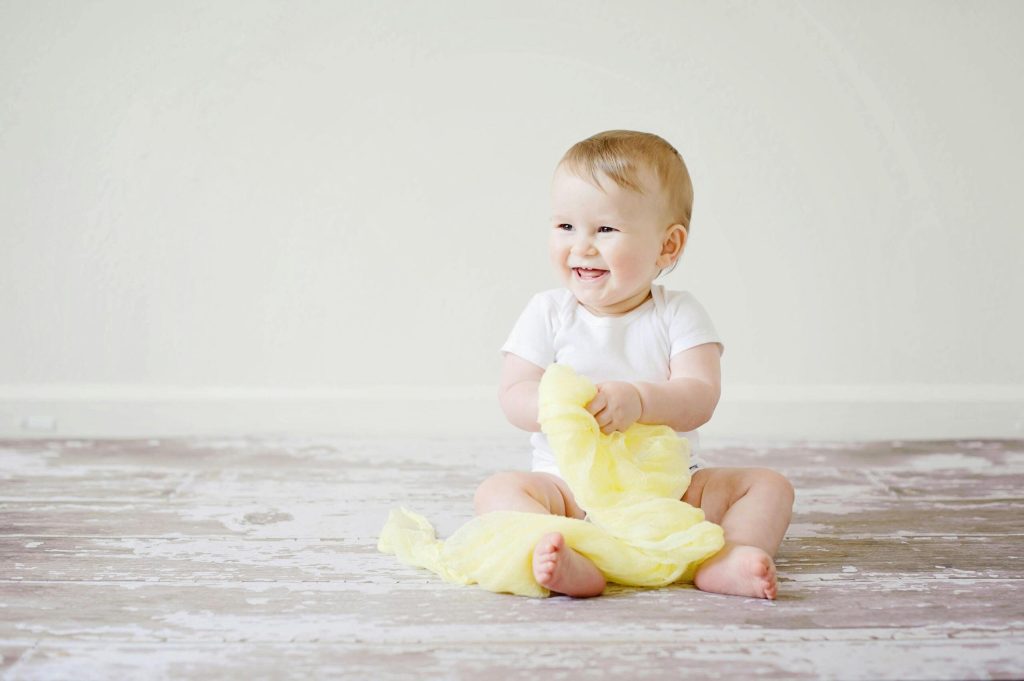
For babies, laughter is not only a joyful moment; it is like a free and natural language therapy that strengthens future communication skills. Laughter and language development in infants together and small contributions from parents make a big difference.