



How to set up a Montessori home layout? Steps for a safe, independence-supporting, development-accelerating Montessori home layout for 0-6 year old children. Montessori approach in room layout, kitchen, bathroom, toy shelf and daily routines.
What is Montessori Home Organisation?
The Montessori home organisation independent participation is a living space that supports the individual and provides him/her with a sense of security, self-confidence and order.
This organisation is not just about placing toys.
The Montessori approach;
- simplification of the environment,
- Arrangements at a height convenient for the child,
- points of independence spread throughout the house,
- free movement space
is founded on basic principles such as.
But the most important thing:
The Montessori order is not for the mother to make perfect rooms, but for the child to experience the feeling of “I can do it!”.
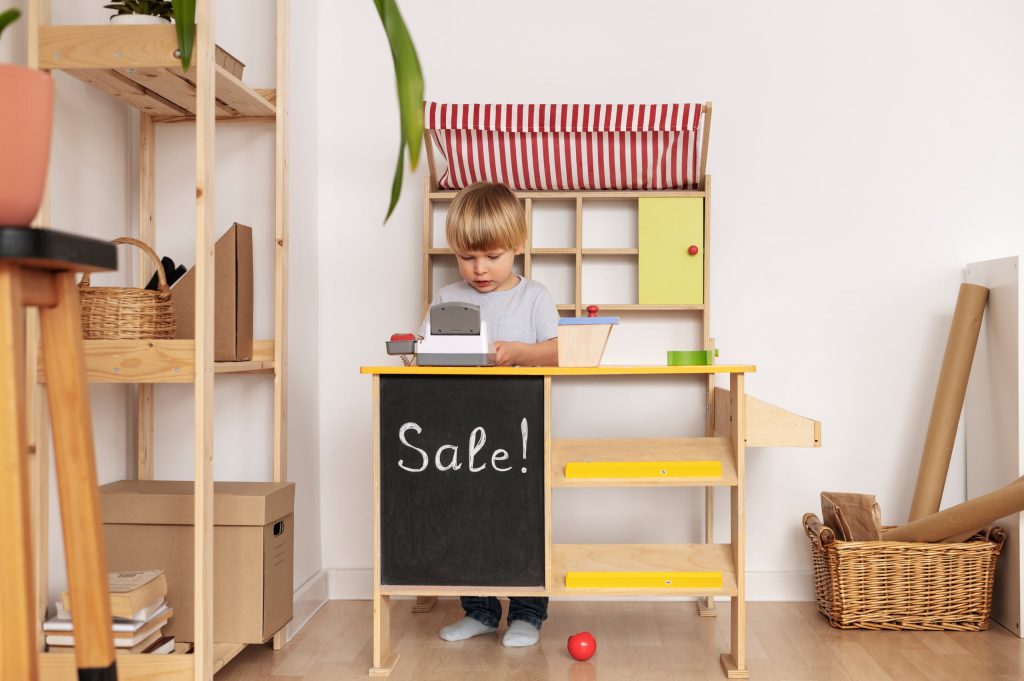
Montessori Home Organisation Step by Step (For All Areas of the Home)
🧸 1. Montessori Room Layout (Most Wanted Part)
Bed - Floor Bed
- The bed should be close to the floor.
- The child should be able to get up and down by himself.
- There should be no sharp corners or dangerous objects around the bed.
Why is it important?
The floor bed is the first step towards a sense of independence in the child.
Shelf System - Less Toys, Net Space
In the Montessori approach, “Less is more.”
- Shelves should be at a height accessible to the child.
- 6-8 toys are enough at the same time.
- Toys should be separated by category:
- Sensory materials
- Puzzle
- Fine motor toys
- Book stand
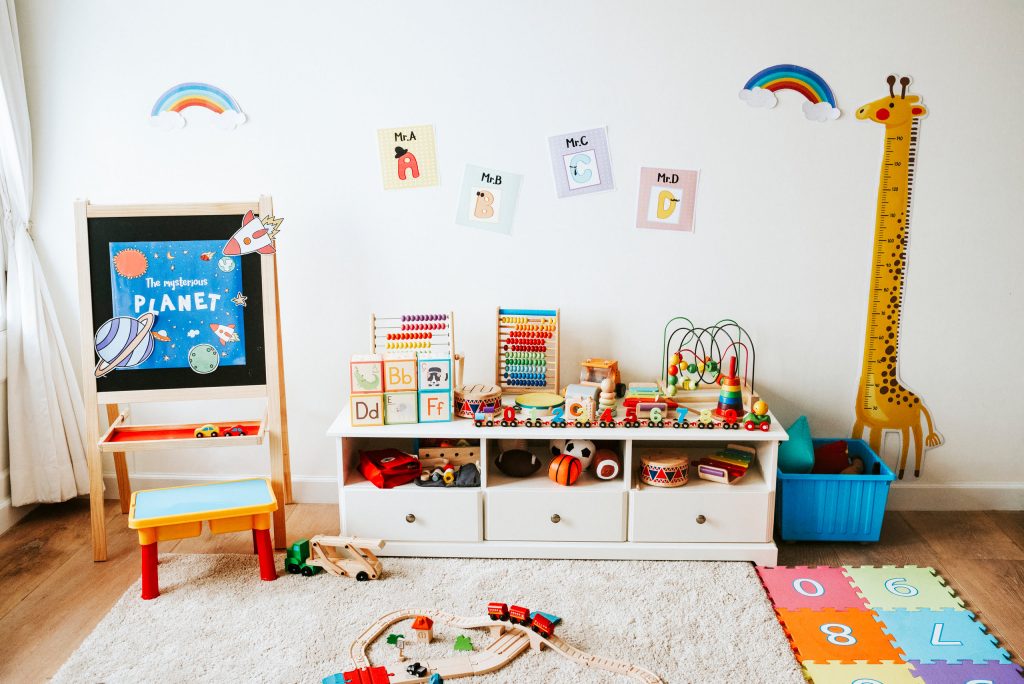
Mirror + Activity Area
- Low, unbreakable Montessori mirror
- Climbing bar or cushion next to it
- Free space for movement development
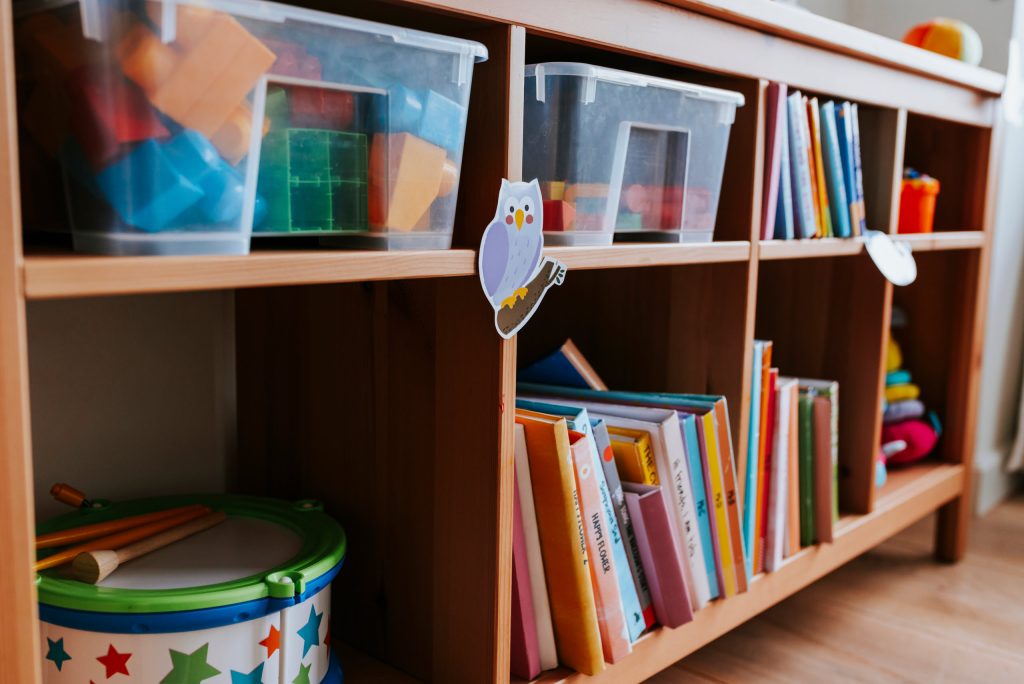
Montessori Bookshelf
- Facing outwards bookcase
- The child has freedom of choice
- Weekly book rotation
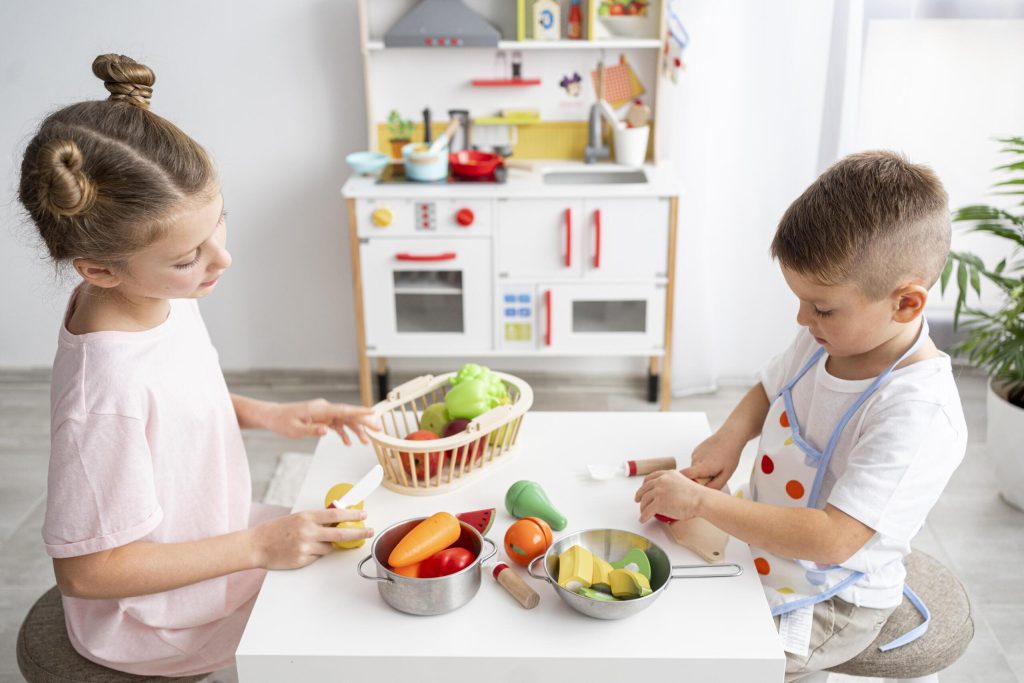
2. Montessori Kitchen Layout - Independent Nutrition Area
Child-Specific Kitchenette Area
- A shelf at a height suitable for the child
- Water jug, glass, plate, cutlery
- A small cloth to clean up spillages
- Fruit-cracker range in snack style
Why is it important?
Self-control is strengthened as the child participates in food preparation and cleaning.
Independent Snack Spot
- A small station with healthy snacks
- “take-it-or-leave-it” system
3. Montessori Bathroom Layout - Facilitating Daily Routines
Self-Care Station
- A low stool
- Child-specific toothbrush
- Hair brush
- Hand towel
- Soap pumps that do not fall
Objective:
The child can take care of itself as independently as possible.
4. Montessori Entrance Area - Coat, Shoes, Bag Arrangement
One at the entrance to the house independence corner Create it:
- Low hanger (so that the child can hang his own coat)
- Shoe rack
- A small seat cushion
- “Round trip” basket (small items needed when leaving home)
5. Montessori Art Corner - Free Creativity Space
- Brush, paper, pencil in colour accessible to the child
- A small table-chair
- Cleaning cloth
- 2-3 free art activities
Tip: Offer clear options, not too material.

6. Montessori Sleep-Wake Routine
The sleep routine is an integral part of home organisation.
- Quiet games in the evening
- Soft light
- Story corner
- Do not sleep at the same time
- Soft-toned “day's over” chat
Benefits of Montessori Home Organisation for the Child
This section is important for Google's “E-A-T” criterion.
- Increased self-confidence
- Motor skills are strengthened
- Develops a sense of responsibility
- Reduced tantrums
- Strengthens the mother-child bond
- Language development accelerates
- Focusing time is prolonged
7 Common Mistakes When Implementing Montessori at Home
- Put a lot of toys
- The mother always does it instead of the child
- Thinking of the room as decor
- Age inappropriate materials
- Extreme perfectionism
- Restriction of free movement
- Trying to speed up the child
Shopping List for Montessori Home Organisation
- Floor mattress
- Low shelf
- Mirror
- Child stool
- Minimal toys
- Water jug
- Small cleaning set
- Mini bookshelf
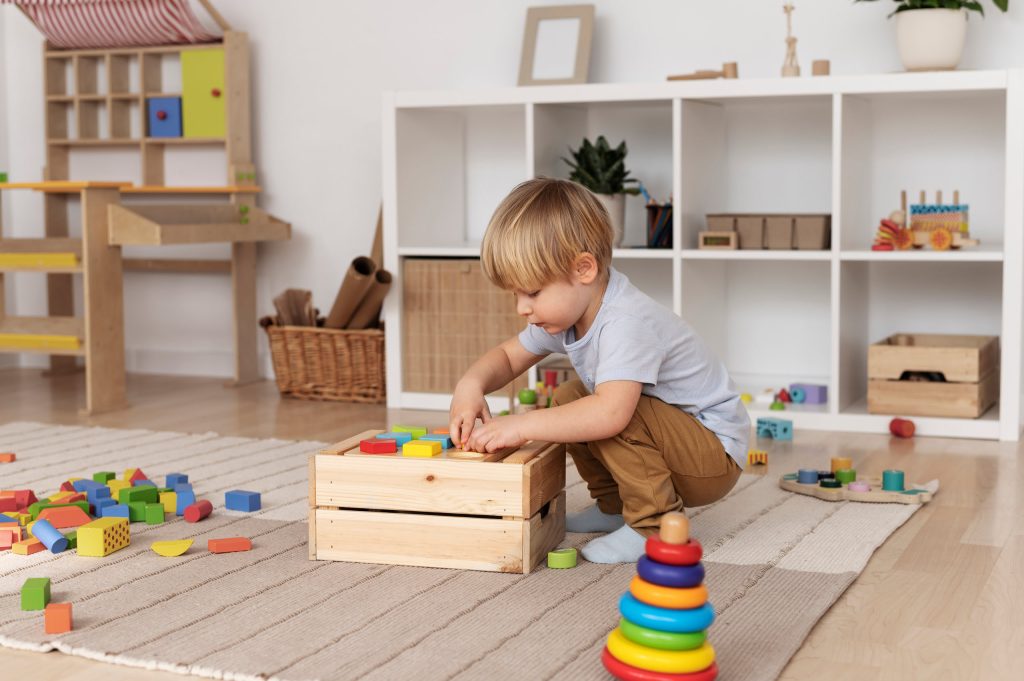
Conclusion: Montessori Home Organisation is a Way of Life, Not a Decoration
The Montessori order is a reflection of respect, trust and freedom for the child.
When you organise every corner of the house according to the child's “I can do it” sentence; both development accelerates, crises decrease, and daily life as a mother becomes much more fluid.
The Montessori home is not just a room; is the name of a bond, an order and a flow of life that is established every day.
If you want to learn the basics of the Montessori approach in more detail
You can read my Montessori Education guide for babies here.
Montessori House Layout - Frequently Asked Questions
1. What does Montessori advocate?
The Montessori approach advocates that the child learns independently at his/her own pace. The environment is prepared in such a way that the child can move freely, explore by making mistakes and develop daily life skills.
2. When to switch to a Montessori bed?
Usually 6 months - 18 months among which the Montessori bed (floor bed) is preferred. The main criterion is not age; the child's crawling/sitting skills are developed and the room is made safe.
3. What is the Montessori style?
It includes natural materials, simple furniture, low heights and a layout adapted to the child. Each item has a clear place and the child can access it himself. Minimal, organised and functional.
4. What should a Montessori classroom look like?
When adapted to the home environment, the “classroom” is actually a prepared living space.
What needs to happen:
- Low shelves and accessible materials
- Natural light
- Quiet, simple layout
- Furniture scaled to the child
- Thematic areas: everyday life, senses, language, art
5. What are the basic principles of Montessori?
- Prepared environment
- Independence
- Freedom and limits
- Real materials
- Non-stop working time
- Observation and guidance
6. What does Montessori style mean?
Montessori style; It is a design approach that is free from excessive items, prioritises functionality, and enables the child to do it on its own.
Basic criterion: The child should have access to everything and be able to maintain order.
7. What does Montessori education bring to the child?
- High self-confidence
- Focus and patience
- Consciousness of order
- Problem solving
- Daily life skills (dressing, collecting, pouring, sorting...)
- A sense of responsibility
8. At what age does Montessori begin?
It can be applied from birth.
Newborn period: simple room, low stimulus, natural colours
6-12 months: floor bed, low shelf, sensorial materials
1-3 years: activities of daily living, areas of independence
Note Official source for more detailed information about Dr Maria Montessori, founder of the Montessori approach:
https://montessori-ami.org