




Montessori Education in Infants: Independence and Exploration at an Early Age
Montessori education is an educational philosophy that supports babies' natural curiosity and desire to explore, shaped according to their individual needs. This approach, developed by Dr Maria Montessori, allows children to learn at their own pace and gain independence. So, how is Montessori education applied in babies and which methods are supported?
Basic Principles of Montessori Education
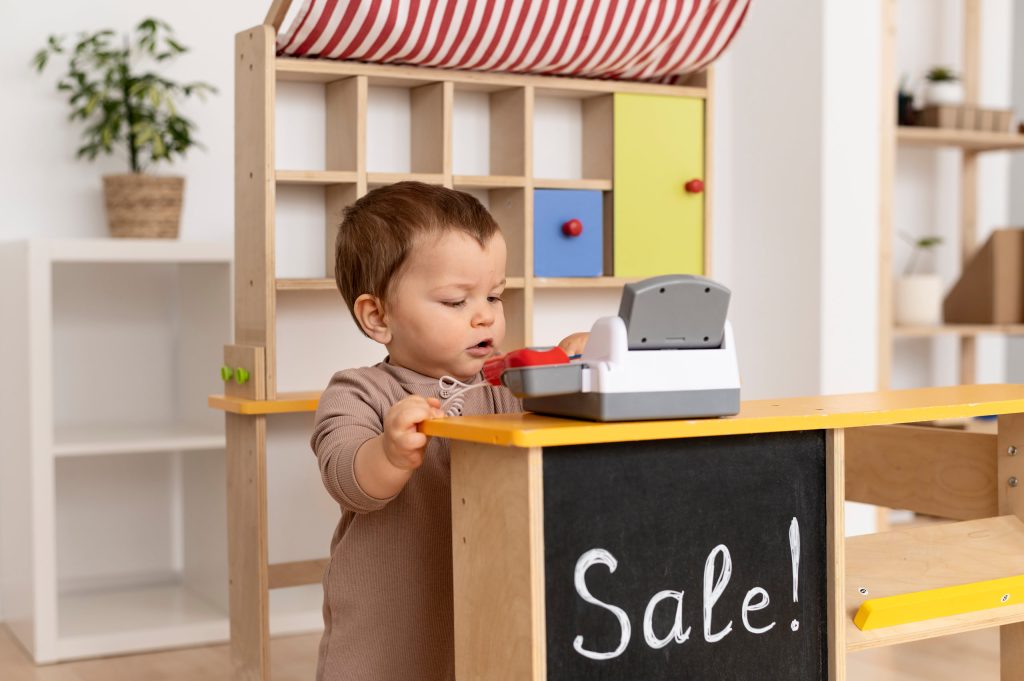
Prepared Environment: Montessori education allows babies to grow in an environment that is safe and encourages exploration. Toys and materials are organised so that the baby can easily reach and use them. This increases babies' independence and allows them to explore their environment.
Freedom and Boundaries: Allowing babies to make decisions on their own develops their self-confidence. However, this freedom should be provided within safe and constructive limits. For example, a baby can be left free to explore safely, but access to dangerous areas should be limited.
Sensory Experiences: Babies learn the world by touching, tasting, smelling, hearing and seeing. In Montessori education, various materials are used to support the sensory development of babies. Fabrics with different textures, toys that make sounds and natural materials help babies develop their sensory perception.
Observation and Non-Intervention: In Montessori education, parents and educators guide babies by observing their natural play and learning processes. Unnecessary interventions are avoided and babies are encouraged to find solutions on their own. This increases their problem solving skills and independence.
How is Montessori Education Applied in Babies?
Sensory Games and Materials: Fabrics with different textures, colourful and loud toys can be used to enhance babies' sensory experiences. These materials help babies understand the world better.
Self-Eating: Allowing babies to eat on their own develops their motor skills and independence. In the Montessori method, babies learn to feed themselves with small pieces of food.
Simple and Functional Toys: Montessori toys are simple and functional. Toys made from natural materials develop babies' creativity and problem solving skills.
Activities of Daily Living: Babies learn to take responsibility and develop skills by being involved in activities of daily living. For example, letting them clean up with a small broom or allowing them to try simple dressing activities increases their self-confidence.
Benefits of Montessori Education
Self-confidence and Independence: When babies see that they can do things on their own, their self-confidence increases and their sense of independence develops.
Problem Solving Skills: Babies who are given the opportunity to find solutions on their own develop problem solving skills.
Sensory Development: Babies who play with various sensory materials develop their sensory perception and motor skills.
Curiosity and Discovery: Thanks to the prepared environment, babies can freely experience their natural curiosity and desire to explore.
Montessori education helps babies to grow up as independent and self-confident individuals from an early age. This approach, which supports their natural curiosity and encourages them to explore, can be successfully implemented under the guidance of parents and educators. Remember, every baby is unique and the important thing in Montessori education is to respect their individual needs and pace of development.