




Development opportunities for children during the time spent in the park, Some days there is only a 30-minute gap... You know, you say, “Let's take a breath, let's go to the park”. That short park break is much more than you think. 30 minutes in the park, is a small but effective way to nurture your child's motor skills, social development, sensory experiences and even self-confidence. development opportunity Actually.
In this article, I explain how you can make that short time productive, with small real-life examples and in a way that fits easily into your parenting routine.
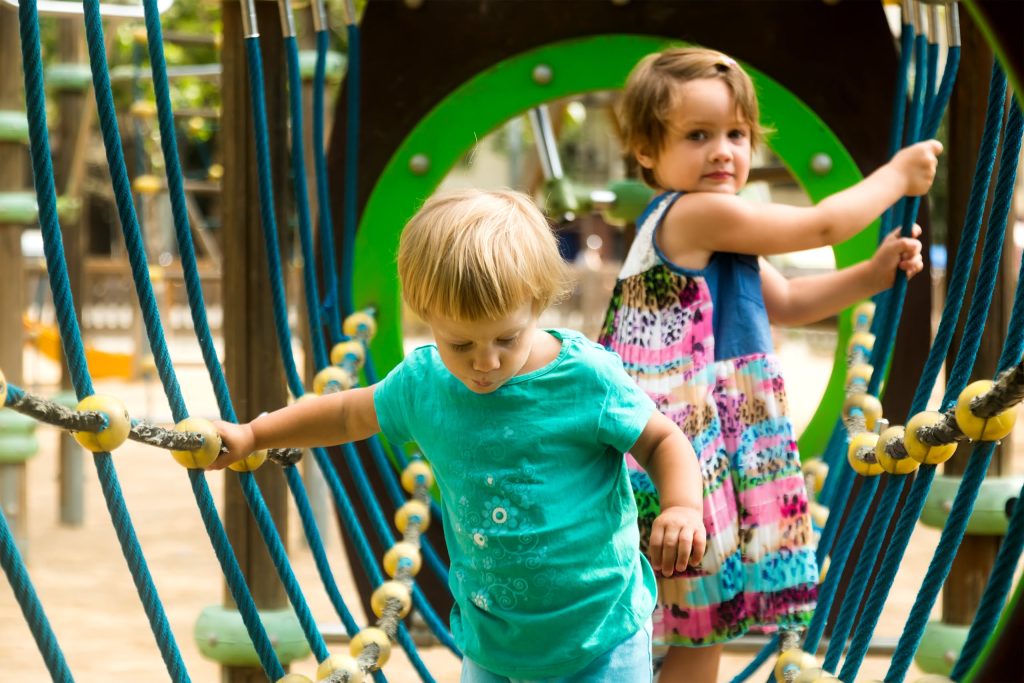
Why are 30 minutes in the park so valuable?
The park is like a natural learning laboratory for the child. No toys, no teachers... but somehow everything flows like a lesson.
Sometimes the wind hitting your face on the swing, sometimes the tiny uneasiness at the top of the slide... In fact, they are all one developmental stage.
Once I thought, “Is that enough?” because he played with sand in the park for only 5 minutes. Then I realised that while he was sorting the tiny stones for 5 minutes, he was actually developing his attention span, hand-eye coordination and imagination. So sometimes it is not time, quality of contact It matters.
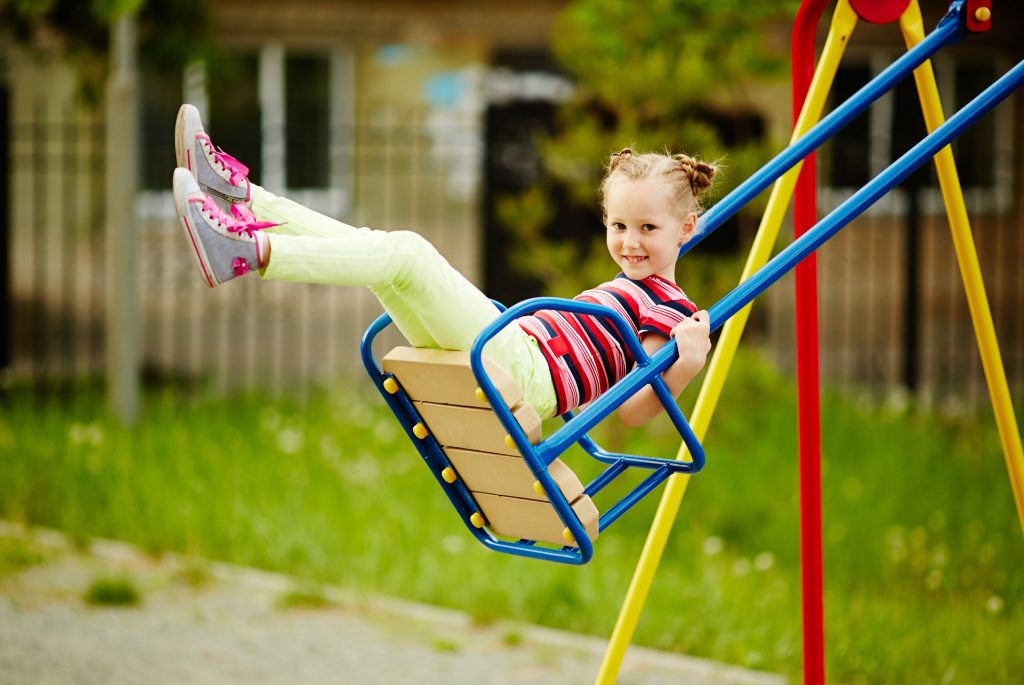
1. Swing: An Excellent Opportunity for Balance and Self-Regulation
You've seen the excitement in him when he runs to the swing.
One moment he says “Higher!”... Then he gets a little scared and pulls back “No, no, no, it's okay”.
Even this small fluctuation self-regulation, bodily awareness and balance development from the point of view of the experience is a great one.
SEO orientated tip:
Why swing play is important for child development The question is often asked by parents. This section serves this purpose.
Slide 2: The Quiet Stage of Courage and Problem Solving
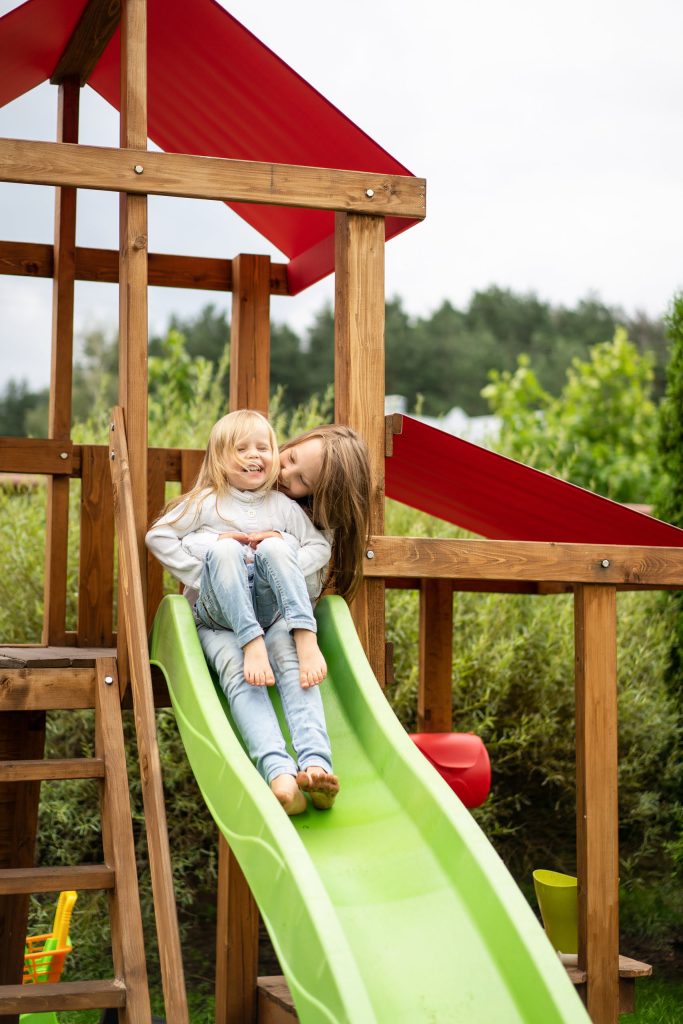
The slide looks simple from the outside, but in fact every step is a story of courage.
- First step: curiosity
- Middle step: uneasiness
- The moment at the top: decision-making
- Sliding: freedom and self-confidence
Sometimes when I stand on top of him and he throws me a look, it is enough for me to say, “If you are ready, I am here”. That tiny moment is a huge moment for the child. a message of trust It's happening.
3. Sandbox: A Mini Therapy Area for Sensory Development
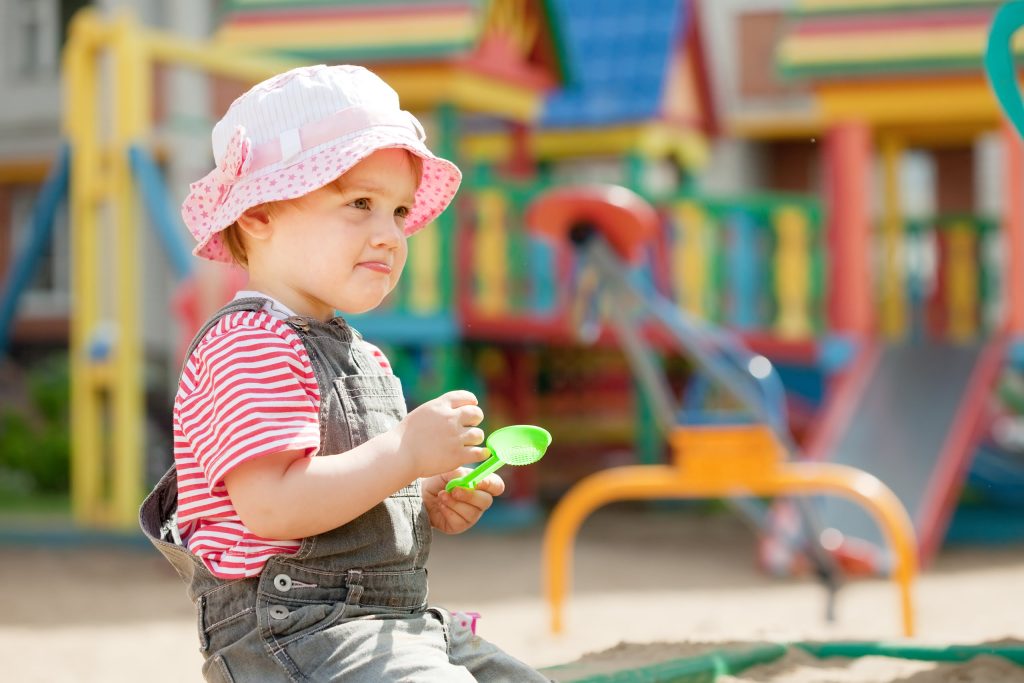
There is something magical about playing with sand. It is as if the noise of the world diminishes and the child moves to his own rhythm.
Example:
Recently, while filling and emptying sand moulds, he said, “This is like a heart, but a little crooked”. At that moment, I realised that he was actively using his imagination, shape perception and communication skills.
That's why sandpit, offers a very powerful sensory experience even in the shortest time.
4. Even Observing in the Park is a Learning Process
If your child is younger or not in play mode that day, it is enough to just sit on a park bench and look around.
- Hearing the birds singing
- Noticing the movement of leaves
- Watching other children play
They are all natural stimuli that create new connections in your brain.
Sometimes even doing nothing best development activityYeah, it sounds weird, but it is.
5. The Secret to Turning 30 Minutes into a Development Opportunity: Stay in the Moment
What makes this short period of time “special” is not the duration; it is your being there.
Throwing the phone in the bag
Turning your gaze to the child
To harmonise with his rhythm
All of them leave great traces in the inner world of the child. The feeling of “he wants to be with me” is even more valuable than many games.
Once he just stood on the steps of the slide and smiled at me. It was a split-second moment. But that's where growth happens sometimes.
Conclusion: 30 Minutes in the Park is a Small but Effective Development Break
The park is not just a playground; it is the most natural, simplest but most effective stage of child development.
Every swing push, every sand grab, every hesitant look... another brick is added to your child's development.
In short, 30 minutes spent in the park, With the right perspective, it turns into a tiny but powerful investment that supports a child's emotional, social and physical development.
And often the most beautiful learnings are hidden in those uncertain, natural moments when you say, “Should we play here for a while?”.