




Music plays an important role in the development of children. Children's ear for rhythm contributes to their emotional and mental development. As a parent, there are many simple and fun activities you can do to develop your child's sense of rhythm. In this article, you will discover effective ways to develop an ear for rhythm in children.
1. Games with Rhythmic Songs
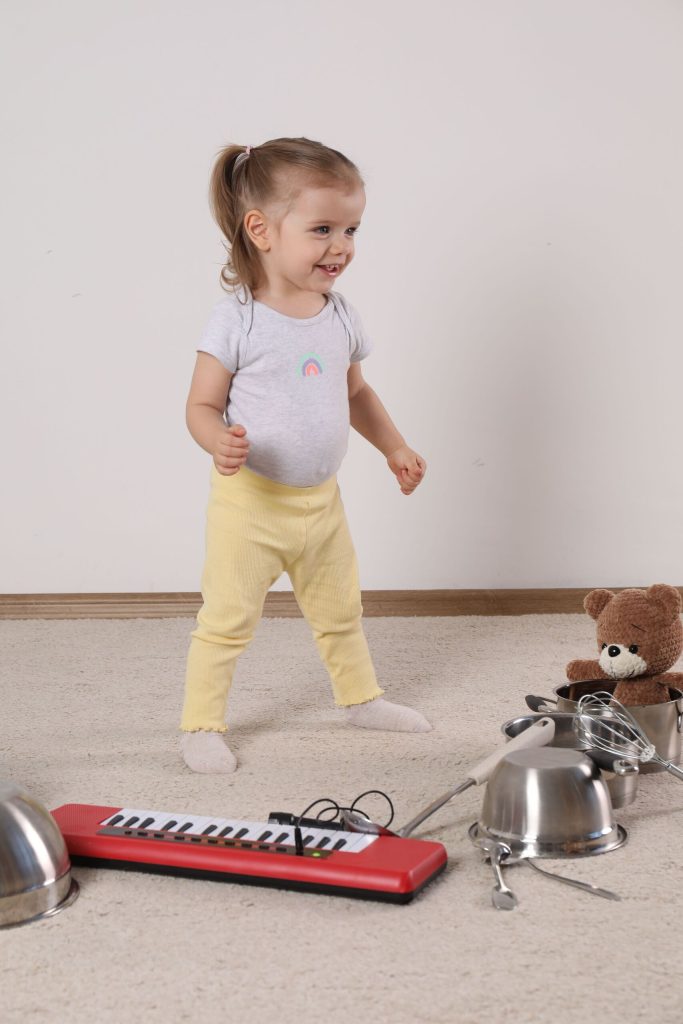
Children love to learn through play. Fun songs and rhythmic games are one of the most effective ways to develop a sense of rhythm. You can sing a song together, clap your hands or snap your fingers at certain points. Even creating rhythm with pots and pans while cooking in the kitchen can be fun. These games help your child to feel the rhythm.
2. Playing with Percussion Instruments
Children enjoy feeling the rhythm with their hands. A simple maracas, a small drum or even an empty box can do the job. Playing with such instruments allows them to experience the sense of rhythm in a concrete way. You can introduce rhythm by tapping on the drum at different tempos and ask your child to imitate it.
3. Dancing
Dancing is one of the most fun ways to develop an ear for rhythm. Turn on the music and let your child move. Dancing together makes this experience even more fun. Different types of music help your child understand different rhythms.
4. Exploring Natural Sounds
Music does not only consist of instruments. The sound of rain, the rustle of the wind, even the sound of footsteps while walking are rhythms. Drawing attention to these sounds while walking outside increases your child's environmental awareness. You can play hand clapping games to the rhythm of the rain.

5. Rhythm Imitation Games
Play a certain rhythm with your hands and ask your child to repeat it. Start with simple rhythms and build up to more complex rhythms over time. This game strengthens the child's memory and develops the ability to keep the rhythm.
6. Musical Stories
When music and storytelling are combined, children are mesmerised. Playing light music in the background while telling a story or singing songs at certain points allows the child to feel the rhythm and the story more deeply.
7. Rhythm Cards
You can play rhythm games with your child by preparing simple cards at home. Each card may contain symbols representing a different rhythm. Show these cards in order and ask your child to imitate these rhythms. It is both a fun game and develops rhythm perception.
Conclusion
Developing an ear for rhythm in children is not only a fun but also a beneficial process. Rhythm is more than just a musical talent; it also helps the child in terms of attention, coordination and social skills. With the above methods, you can accumulate fun memories while developing your child's ear for rhythm. Make music a part of your life and go on this fun journey with your children.
With these simple suggestions, you can help your child discover a sense of rhythm and create unforgettable memories together.