




Gaining a sense of responsibility for preschool children makes a big difference in their development. Giving children the habit of assigning tasks at an early age both facilitates the order in the family and increases their self-confidence. Here are 9 responsibility ideas that your child can take on with pleasure and that you can easily implement:
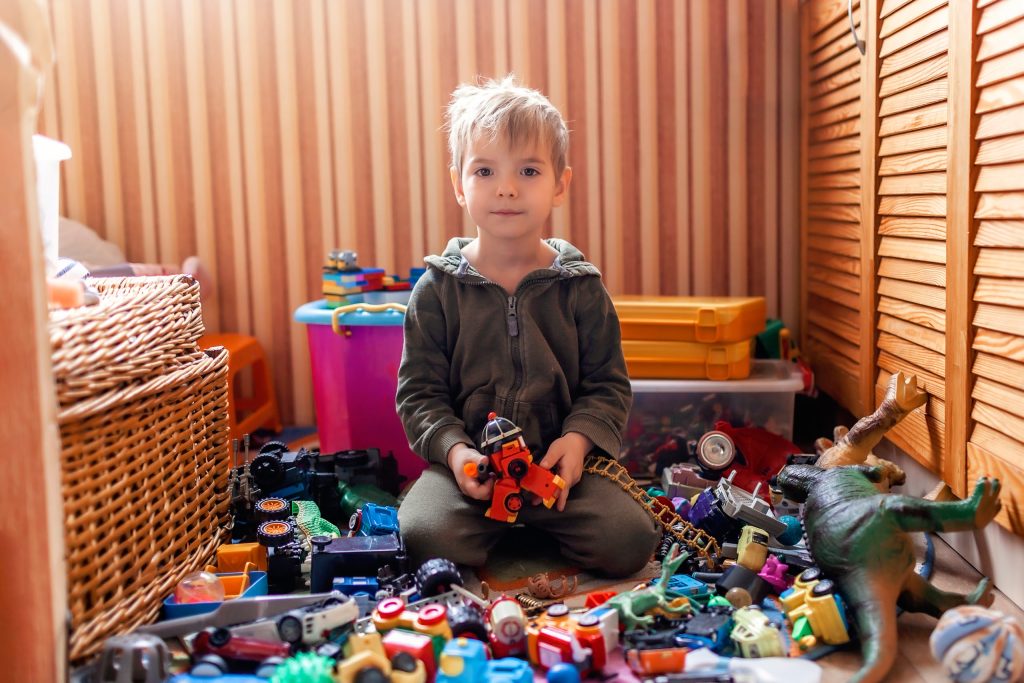
1. Collecting your toys
One of the first things that comes to mind when it comes to responsibility for preschool children may be collecting their toys. Placing the toys in a box at the end of the game is one of the simplest ways to give your child a sense of order. For example, you can make this process fun by saying, "Let's go, it's time for the toys to return to their home!".
2. Helping at the Dining Table
To develop a sense of order in children, it is important to involve them in daily routines. For example, simple tasks such as carrying cutlery to the dinner table can improve both your child's physical and social skills. Sharing responsibility within the family can turn into a fun activity in this way.
3. Throwing your clothes in the basket
Ensuring that your child throws dirty clothes in the laundry basket is one of the basic steps to gain a sense of responsibility. By setting a simple rule such as "Dirty clothes go in the laundry basket", you can teach the habit of being organised at an early age.
4. Irrigation of Crops
Watering plants can be one of the responsibility tasks for preschool children. Teaching them to care for plants with a small watering can will increase your child's love for nature and strengthen their sense of organisation.
5. Making Your Own Bag
Packing a bag for kindergarten or going out is a great way to teach children at an early age. Teaching them to place items such as water bottles and spare clothes will help your child to recognise their needs. Of course, there may be some forgetfulness, but this process will contribute to their learning.
6. Organising Your Shoes
Learning to put the shoes back is a simple but effective step to develop a sense of order in children. You can make it fun by playing games such as "Let's see which shoe is right and which is left?" while placing the shoes.
7. Participating in Simple Housework
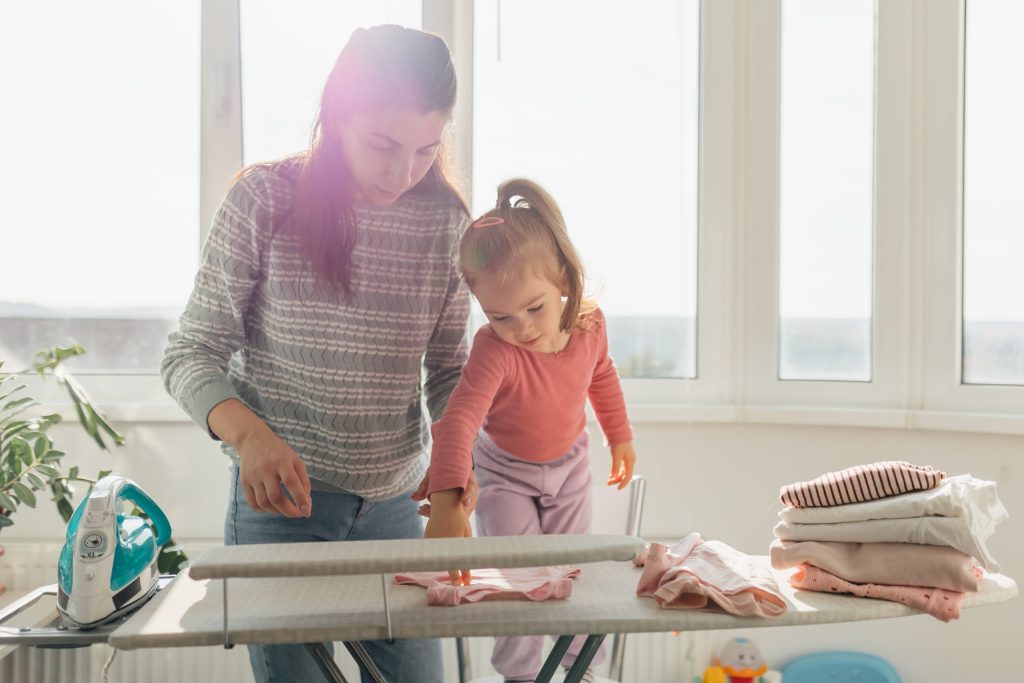
Small tasks such as dusting or organising tissues are ideal for sharing responsibility within the family. This little help from your child will make them feel part of family life.
8. Organising your own bed
Asking your child to make their bed may seem like a big task. However, simply straightening the blanket or putting the pillow in its place is enough to create a sense of order in children.
9. Performing Simple Daily Tasks
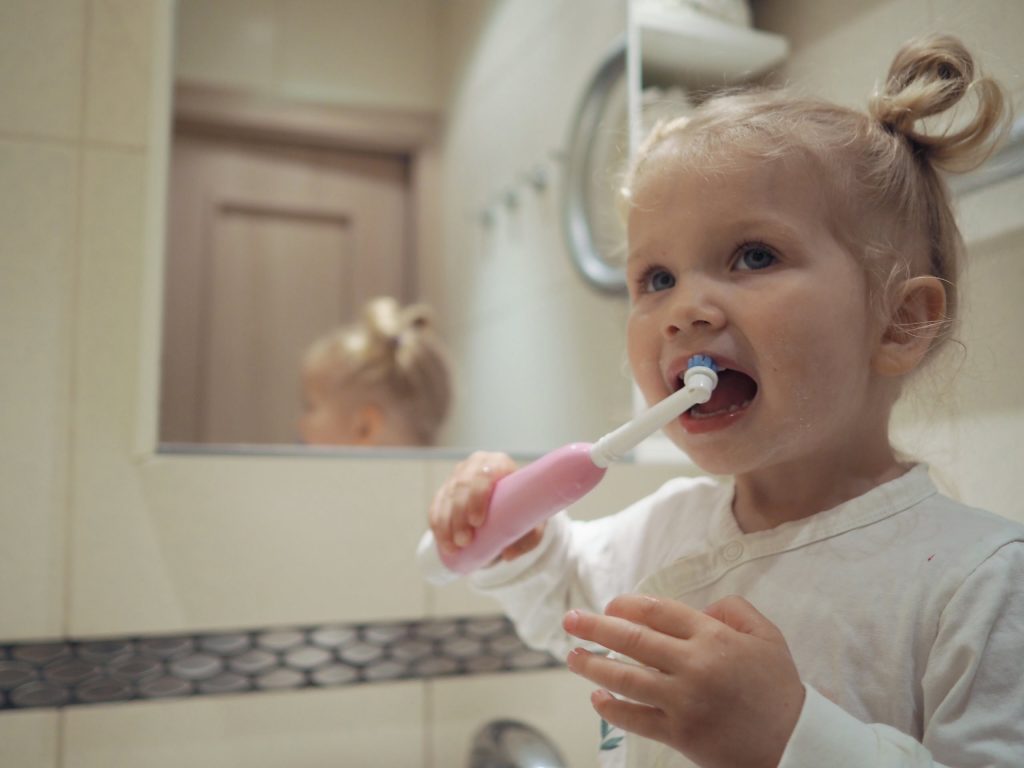
Encouraging children to do daily chores on their own, such as washing their hands and brushing their teeth, is one of the main ways to develop a sense of responsibility in children. These tasks both increase your child's self-confidence and enable him/her to progress towards independence.
The Art of Assigning Tasks to Children at a Young Age
Giving responsibility to preschool children is a process that requires patience and consistency. By making these tasks fun with your child, you can both spend quality time and teach them important life skills. Remember, small steps make a big difference!
Which is your favourite method? Share your experiences with us!
Frequently Asked Questions
1. At what age should children start to develop a sense of responsibility?
The pre-school period is the ideal period for children to gain a sense of responsibility. Children between the ages of 3-5 are more open to learning simple and fun tasks.
2. How does the sense of responsibility affect the child's development?
Awareness of responsibility increases the child's self-confidence and gives the child the habit of order and discipline. It also contributes to the development of problem solving skills and empathy skills.
3. What should I do if my child does not want to take responsibility?
To encourage your child, you can turn tasks into games and praise them for small successes. It is important to be patient and avoid pressurising.
4. Which responsibilities are suitable for preschool children?
Small tasks such as picking up toys, washing hands, helping with simple tasks (e.g. setting the table), folding clothes are among the age-appropriate responsibilities for children.
5. What should be considered when teaching responsibility to children?
Make sure that the tasks are appropriate for the child's age and capacity. Also motivate with positive language and make the tasks fun. Remember to recognise your child's efforts.