




Play dough, the great discovery of tiny hands! Playing with dough is not only fun for babies, but also provides countless benefits for their development. Mixing colours, creating shapes, touching the dough... Even these simple activities have deep meanings in the world of children. Well, do you know the effects of playing with play dough on the developmental areas of babies? Let's discover together!
1. What Motor Skills Does Play Dough Help Children Acquire?
Sensory Exploration and Motor Development
Spatial Awareness: Children develop a better understanding of shapes, sizes and spatial relationships through play activities with dough.
Tactile Stimulation: Play with dough provides a rich sensory experience for children by stimulating tactile receptors and developing sensory integration.
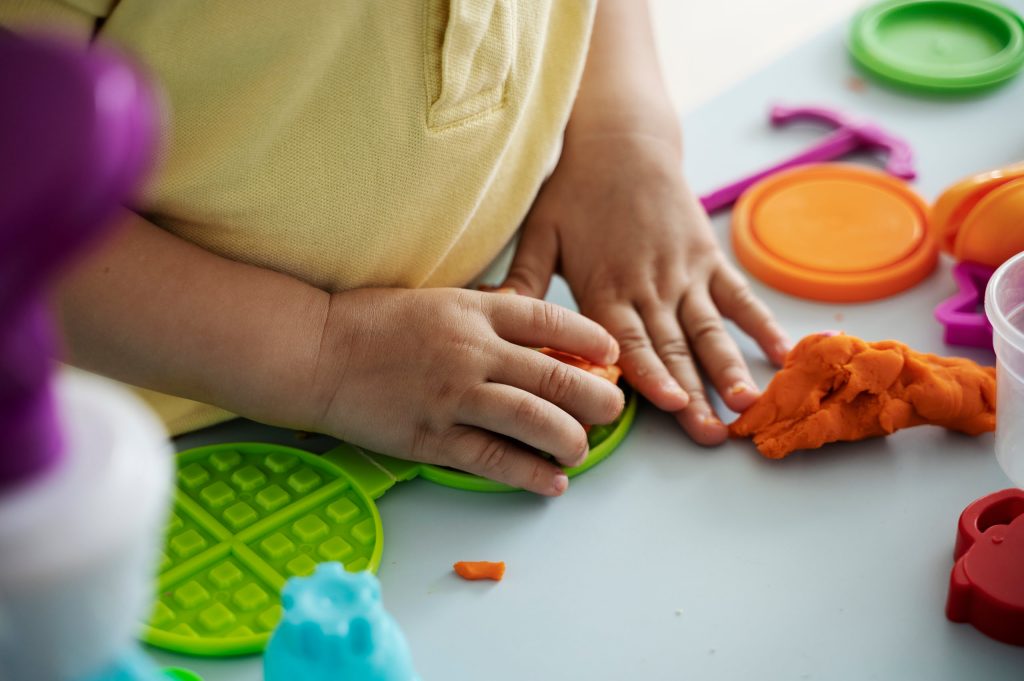
Fine Motor Skills: Helps children develop the small muscles in their hands and fingers needed for tasks such as writing and drawing.
Hand-Eye Coordination: While shaping and moulding this material, children develop hand-eye coordination, which is essential for many activities in daily life.
Sensory Processing: Provides a calming and regulating sensory input, especially for children with sensory processing difficulties.
2. How does it support social and emotional development?
2. Scientific Development and Problem Solving Skills
Cause and Effect Relationship: It helps children to understand cause and effect relationships. For example, leaving traces when they press the dough helps them to learn this relationship.
Creativity and Imagination: Supports creativity and imagination by encouraging children to experiment and explore.
Problem Solving: When children face challenges while playing with dough, they develop problem-solving skills and learn to find solutions.
3. How to Support Language Development?
Emotional Development and Self-Expression
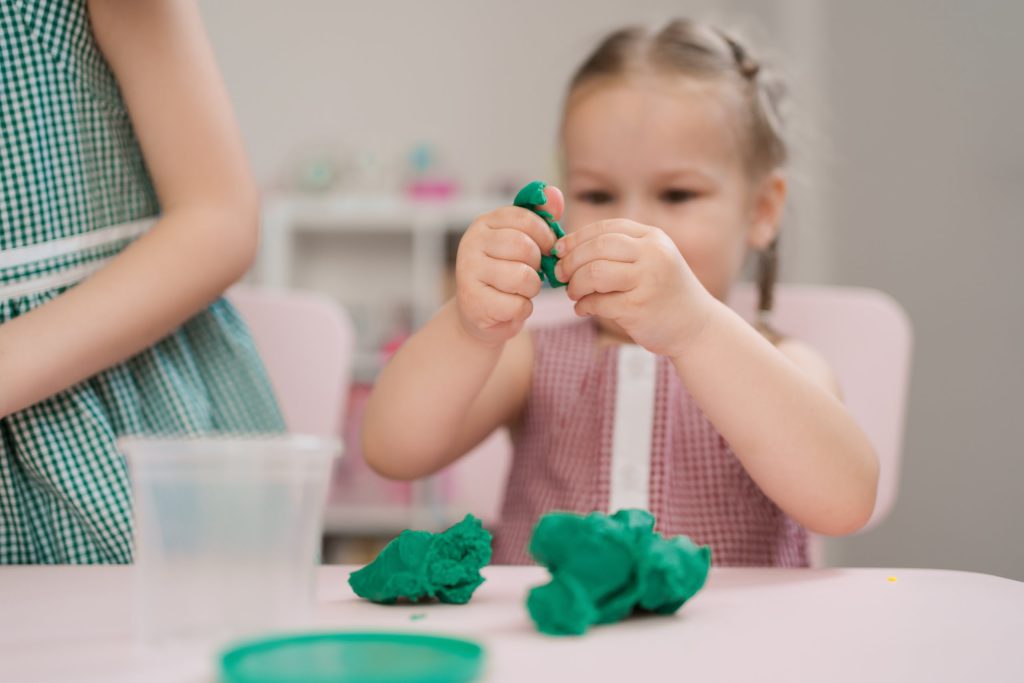
Emotional Regulation: It can be a therapeutic tool for children to express and regulate their emotions.
Self Expression: By making figures with dough, children have the opportunity to express themselves. For example, they show their love by making a big heart.
Self Respect: Children develop a sense of achievement and gain self-confidence as they master this activity. As they create their own artefacts, their self-confidence increases.
4. How to Improve Problem Solving Skills?
Social and Language Development
Queueing and Sharing: Playing with play dough teaches children to share and take turns, thus developing their social skills.
Social Interaction: This activity encourages social interaction and co-operation. It teaches children to share and take turns.
Language Development: Children develop their language skills by participating in storytelling and creative play while playing with dough. Parents can expand their children's vocabulary by asking questions such as "What colour is this?".
5. How to Develop Visual Perception and Spatial Awareness Skills?
To maximise the benefits of playdough, you can follow these tips:
Sensory Exploration: Offer a variety of play dough textures and colours to stimulate different senses.
Open Ended Game: Allow children to freely explore and experiment with play dough without imposing specific results.
Model Game: Show different ways of using playdough to encourage children's creativity.
Encourage Storytelling: Encourage children to create stories or characters with play dough.
Combine with other ingredients: Expand creative play options by providing additional materials such as cookie cutters, rolling pins and natural objects to increase play possibilities.
By incorporating playdough into children's playtime, parents and educators can support their overall development and create fun learning opportunities. These times spent with play dough are a great investment in your child's future!