




Toilet training in children is one of the most exciting milestones in the growth process of our babies. During this period, questions such as "When should we start toilet training?" and "How should toilet training be?" are frequently on the minds of parents. In this article, toilet training in children we will cover all the important points about
When to Start Toilet Training?
Toilet training in children In general, babies are ready for toilet training between 18 and 24 months. However, the development of each child is different. Some children may not be ready until they are 3 years old. Parents should not rush this processIt is very important to wait for the baby to be physically and emotionally ready for this process. Toilet training in children When you recognise the signs that your child is ready for toilet training, you will know the right time to start this process.
How Should Toilet Training Be?
Be Patient and Give Time
Toilet training in children The most important step in the process is to be patient. When you notice signs that your child is ready for toilet training, start this process without rushing.
Determine the Right Time
Toilet training in children Make sure that your child is physically and emotionally ready for toilet training. 18-24 months is usually an appropriate period, but every child is different. To signals of readiness pay attention and guide this process accordingly.
Choose a Suitable Potty
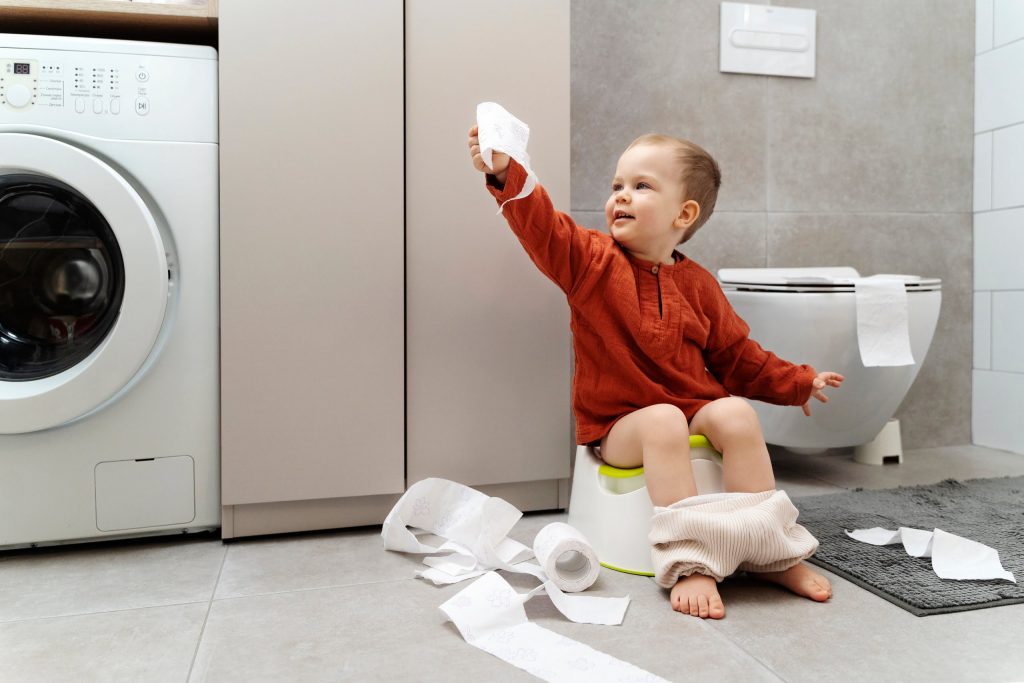
Toilet training in children It is important to choose a comfortable and safe potty for your child. Choose a potty that is suitable for his/her size and easily accessible. By placing it in a suitable corner of the house Create an environment that your child can use comfortably when he/she feels the need for a toilet.
Tips for Successful Toilet Training
Lead by Example
Show your child how to use the toilet. You can help him/her understand how to do it by sharing your own toilet experiences. Girls usually learn by watching their mothers and boys by watching their fathers.
Proceed Step by Step
Do not expect your child to be completely successful in the first attempts. Take small steps and encourage them with each attempt. When successful say supportive words to him/her and encourage him/her.
Make it Fun
You can use games, songs or reward systems to make toilet training fun. Decorating the potty, using stickers or giving small rewards for successful attempts can make this process enjoyable.
Establish and Support Routine
Establish a Routine
Establishing a routine during toilet training helps your child learn when to go to the toilet. Make it a habit to go to the toilet when you wake up in the morning, after meals or before going to bed.
Stay Calm in Accident Situations
Accidents are inevitable during toilet training. Stay calm in these situations and support your child without blaming him/her. Explain that accidents are natural and part of the learning process.
Give Confidence
Make your child feel safe in this process. Knowing that you understand his/her needs and that you are there to support him/her makes the process easier. This sense of security will increase his motivation for toilet training.
Use Toilet Books and Videos
Watching storybooks or educational videos about toilet training can help your child understand and learn the process. These materialsmakes toilet training more understandable and attractive.
Promote Independence
Encourage your child to use the toilet independently. Let him/her know that you are proud of him/her when he/she manages to go to the toilet on his/her own. This independenceincreases his self-confidence and speeds up the process.
Conclusion
Toilet training in childrenis a unique experience for every parent and child. Try to see this process not as a challenging task, but as an adventure in which you and your child grow together. Be patient, stay positive and don't forget to celebrate every small success. Remember, every child needs to progress at their own pace. With a little time and love, you will successfully pass this milestone.