




The process of babies walking is a magical time for parents. Although exciting, this process can also be a little stressful. Babies usually start walking between 9 and 18 monthsbut it is important to remember that each baby develops at its own pace.
What are the Symptoms of Walking in Babies?
The process of walking in babies actually begins in the first months of infants. Initially, babies begin to recognise their bodies by moving their arms and legs. Over time, crawling, creeping and climbing They strengthen their body muscles with movements such as walking. These stages are necessary for babies to develop their ability to walk.
What can I do for my baby to walk?
The biggest supporter of parents in the walking process is patience. For example, your baby is trying to stand up by holding on to the furniture you may want to stand next to him/her and support him/her. However, in this case, taking a step back and letting your baby try it on their own will give them confidence. Sure, there may be a few falls here and there, but isn't that part of the job?
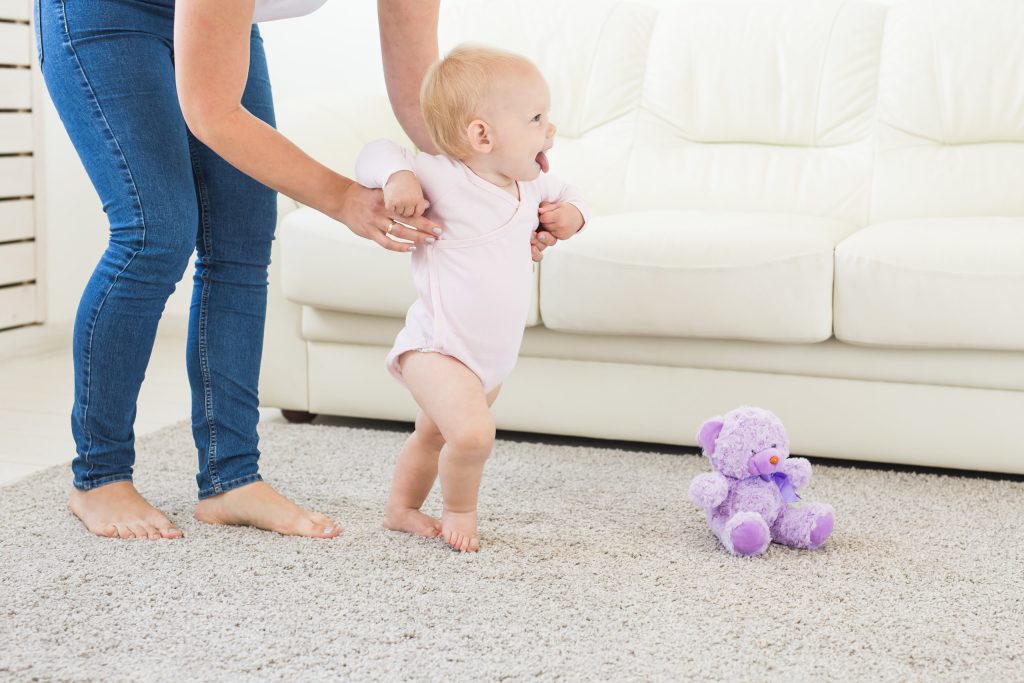
Supportive Tips for the Walking Process
It is important to give your baby plenty of encouragement to boost their confidence as they learn to walk. Looking into his/her eyes and saying encouraging words can help his/her small steps to turn into bigger steps. Also, walking toy You can also encourage your baby by using supportive tools such as toys. Such toys can help your baby to improve their balance and reinforce their ability to walk.
In conclusion, the process of walking in babies is a process full of patience, support and love. The moment your baby takes his/her first steps will be an unforgettable memory and will be remembered as one of the important milestones in his/her life. Enjoy this period together with your baby and savour every moment.
Frequently Asked Questions
Why 15 Month Baby Cannot Walk?
Some babies may still not have walked at 15 months of age. In this case, it is important not to panic. Research shows that there is a wide range in the timing of infants' toddlerhood and that each infant has a unique rate of development. Although of babies start walking by 15 months of age, some babies may not have fully developed the ability to walk by this time. Babies may be reluctant to walk or their motor skills may be slow to develop. If your baby is still not walking at 18 months of age, it may be worth consulting a specialist.
Scientific Evidence:
- Study: In a study titled "Variability in the Onset of Walking and Motor Development in Infants" (Journal of Pediatrics, 2012), it was stated that the development of motor skills of infants shows individual differences and that this development is affected by environmental factors, genetics and parental support.
- Conclusion: The process of 15-month-old babies developing walking skills may vary depending on genetic and environmental factors.
- Source: https://www.ncbi.nlm.nih.gov/pmc/articles/PMC9221916/
18 Month Baby Doesn't Walk What to Do?
If an 18-month-old baby is still not walking, there may be different reasons for this. Conditions such as growth retardation, muscle tone problems, or neurological developmental problems may be behind this delay. The best approach is to consult a doctor to evaluate the development process. Research shows that nutritional deficiencies, such as iron deficiency, can also affect motor development. It is therefore important to pay attention to the diet.
Scientific Evidence:
- Study: "Iron Deficiency and Motor Development in Children: A Review" (American Journal of Clinical Nutrition, 2010), it was stated that iron deficiency has negative effects on motor development and iron supplementation may help to eliminate this deficiency.
- Conclusion: When analysing the 18-month-old baby's walking development, factors such as iron deficiency should be taken into consideration. In case of delay, it is important to consult a professional health expert.
- Source: https://www.ncbi.nlm.nih.gov/pmc/articles/PMC1993818/
Information supported by these scientific researches, the process of walking in infants can help parents better understand the motor development processes of their babies and enable them to take the necessary precautions.