



Teaching colours to babiesis a fundamental step for them to make sense of the world. However, this process does not magically happen overnight; it requires a little play, a little patience and a lot of fun. So, what should we pay attention to when teaching colours and which methods can facilitate this process?
1. Games and Activities
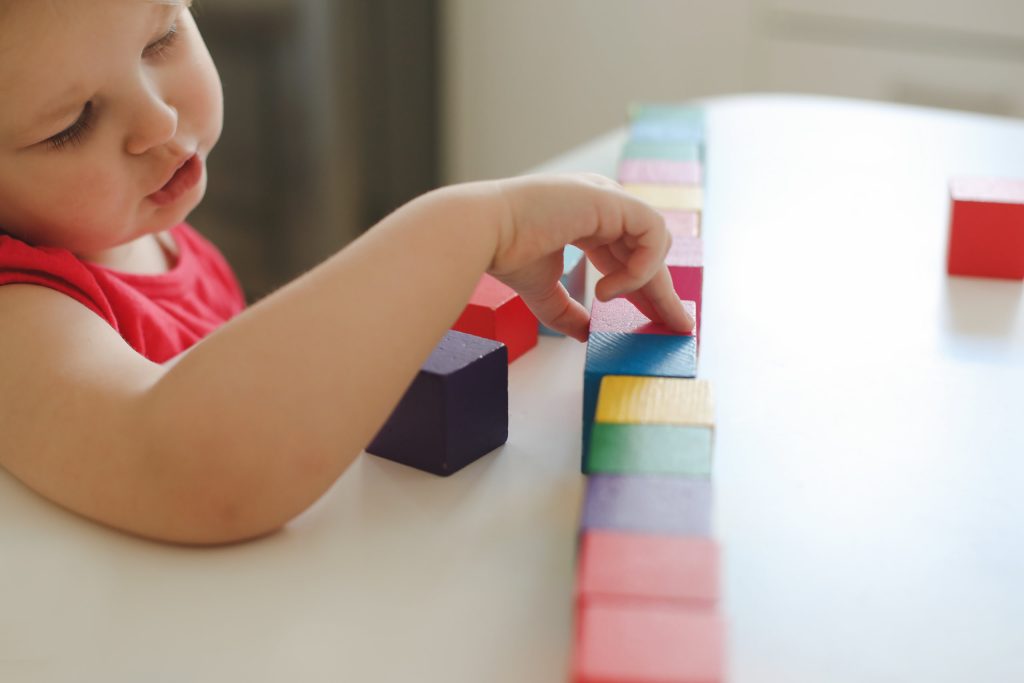
Games are indispensable for teaching colours to babies. Babies like to touch, see and experience while learning. For example, you can play a "colour basket game" using different coloured balls. Help your baby to match colours by asking "Where is the red ball?". Through this kind of play colour teaching it becomes fun.
2. Examples from Daily Life
Colours are everywhere around us and everyday life is a unique opportunity to teach colours. You can draw your baby's attention to the colours around them with phrases such as "Look, a green apple!" or "The blue car drove by!". Such everyday interactions reinforce colour knowledge in a natural way.
3. Books and Cards
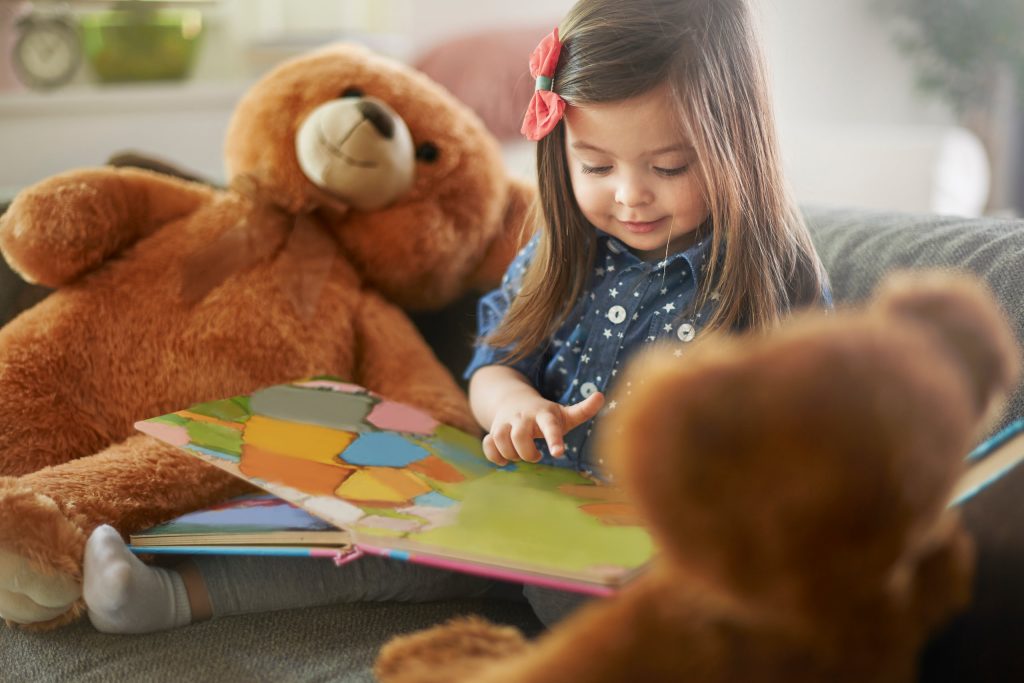
Teaching colours to babies Books or coloured cards that evoke a sense of touch are great materials for this. Especially books with bright colours attract the attention of babies. You can develop colour knowledge and vocabulary at the same time by using sentences such as "This red apple, this blue cloud".
4. Songs and Rhymes
Songs and rhymes about colours, teaching colours to babies It is an effective and fun method for learning colours. For example, rhythmic songs such as "Red fish in the lake, blue butterfly in the sky..." make it easy to learn colours.
5. Art Activities
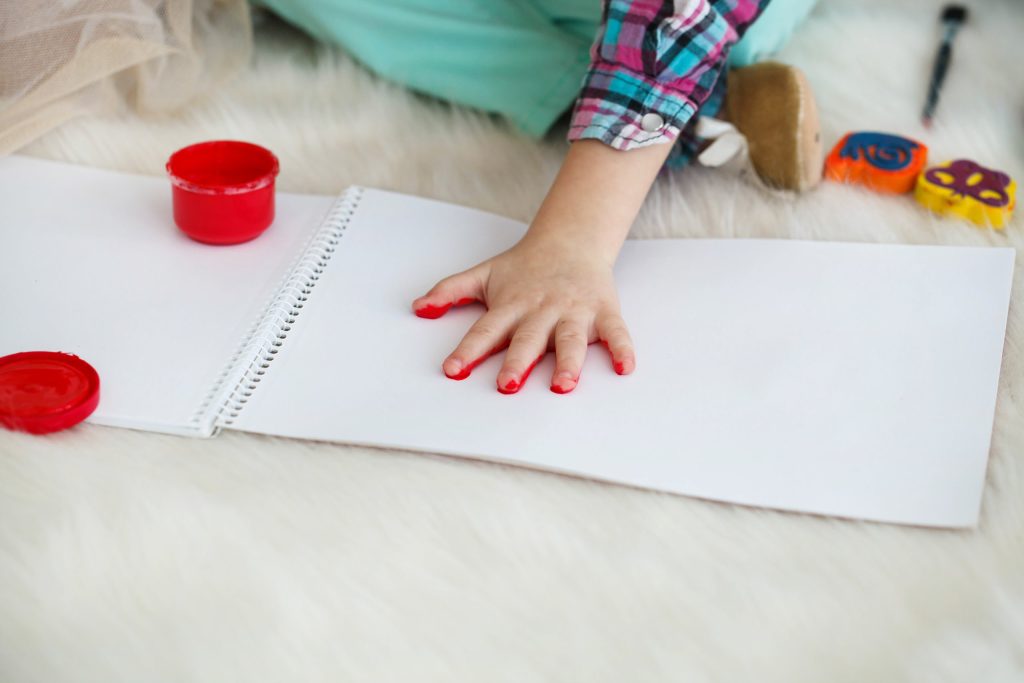
Finger paints and crayons, teaching colours to babies are tools that encourage creativity. You can carry out a fun colouring activity with your baby by making a blue dot on a piece of paper and saying "This is blue, let's make it blue too!".
6. Patience and Repetition
Learning colours can take time, so you have to be patient. Repetitions teaching colours to babies process is indispensable. It is completely natural for your baby to learn red one day and confuse it the next day. Continue to do regular colour activities to support him/her.
Conclusion
Teaching colours to babiesIt is a great way to support their development and spend quality time together. You can try the above methods to have fun and learn at the same time. Those special moments when your child starts to recognise colours are the best reward of this process. 🌈
Frequently Asked Questions
1. Why is it important to teach babies colours?
Colours help babies make sense of the environment and accelerate their learning process.
2. What are the most effective ways to teach colours to babies?
Games, examples from daily life, songs and art activities are the most effective methods for teaching colour.
3. What should be considered when teaching colours to babies?
It is important to use patience, repetition and fun methods. You can also engage the child by presenting the learning process as a game.
4. When can babies be taught colours?
Babies usually start to learn colours between 18-24 months of age. However, the development of each baby is different and this process requires patience.
5. Which colour is taught first?
Bright and striking colours such as red are usually among the first colours to be taught.
6. Does a 2-year-old know colours?
Many 2-year-olds can recognise some colours. However, this may vary depending on the individual development of the child.
7. How should colour be taught?
You can use games, books, songs and everyday conversations to teach colours. A fun and repetitive learning process is important.
8. Does a 20-month-old baby know colours?
Some 20-month-old babies can start to recognise colours, but this process varies for each child.
9. Which colour facilitates learning?
Basic and bright colours such as red, blue and yellow make learning easier. Babies usually distinguish these colours before others.